
Destination Wedding Trends That Are Redefining What a Luxury Celebration Can Feel Like
Destination weddings are no longer just about where you go… they’re about how the entire experience unfolds once you get there.
What we’re seeing across the weddings we’re planning, echoed by editorial platforms like Vogue, Anti-Bride, and The Wed, is a shift away from expected resort formats and toward celebrations that feel immersive, design-forward, and emotionally charged. The kind of weekends where your guests don’t just attend… they remember exactly how it felt to be there.
Luxury destination weddings today are being shaped by multi-day experiences, a clear design point of view, and environments that influence the energy of the entire event. Not just beautiful locations, but intentional ones.
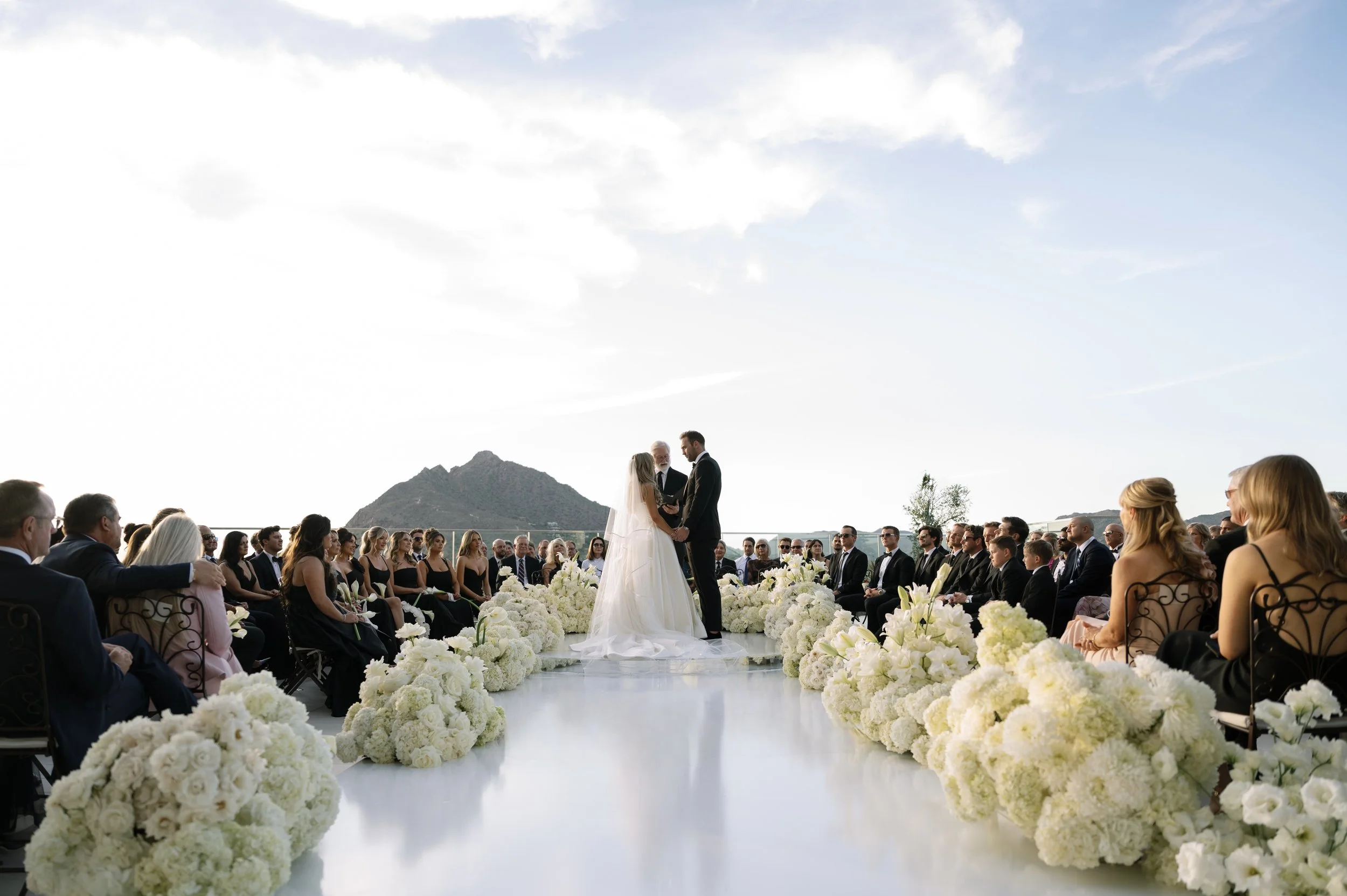
Photo By: Hayley Dolson
Spaces That Carry the Design for You
Brutalist architecture, industrial venues, and sculptural spaces are having a moment, and for good reason.
These environments don’t need to be overworked. The structure, light, and materiality already create a strong visual foundation, allowing the design to feel intentional without excess.
Where couples can get this wrong is trying to soften the space too much. When you layer in too many elements, you lose what made the venue compelling in the first place.
The strongest approach is restraint:
Clean floral moments instead of full installations
Controlled palettes that work with the natural tones of the space
Lighting that enhances depth and shadow rather than flattening it
We’re also seeing fashion influence these environments more directly. Entrances, aisles, and transitions are being treated like runway moments, paced, styled, and designed to create anticipation before anything formally begins.
What this requires behind the scenes:
These venues often need more production than expected. Rigging, lighting direction, and spatial planning all matter more when the architecture is exposed. When executed well, the result feels effortless… but it never is.
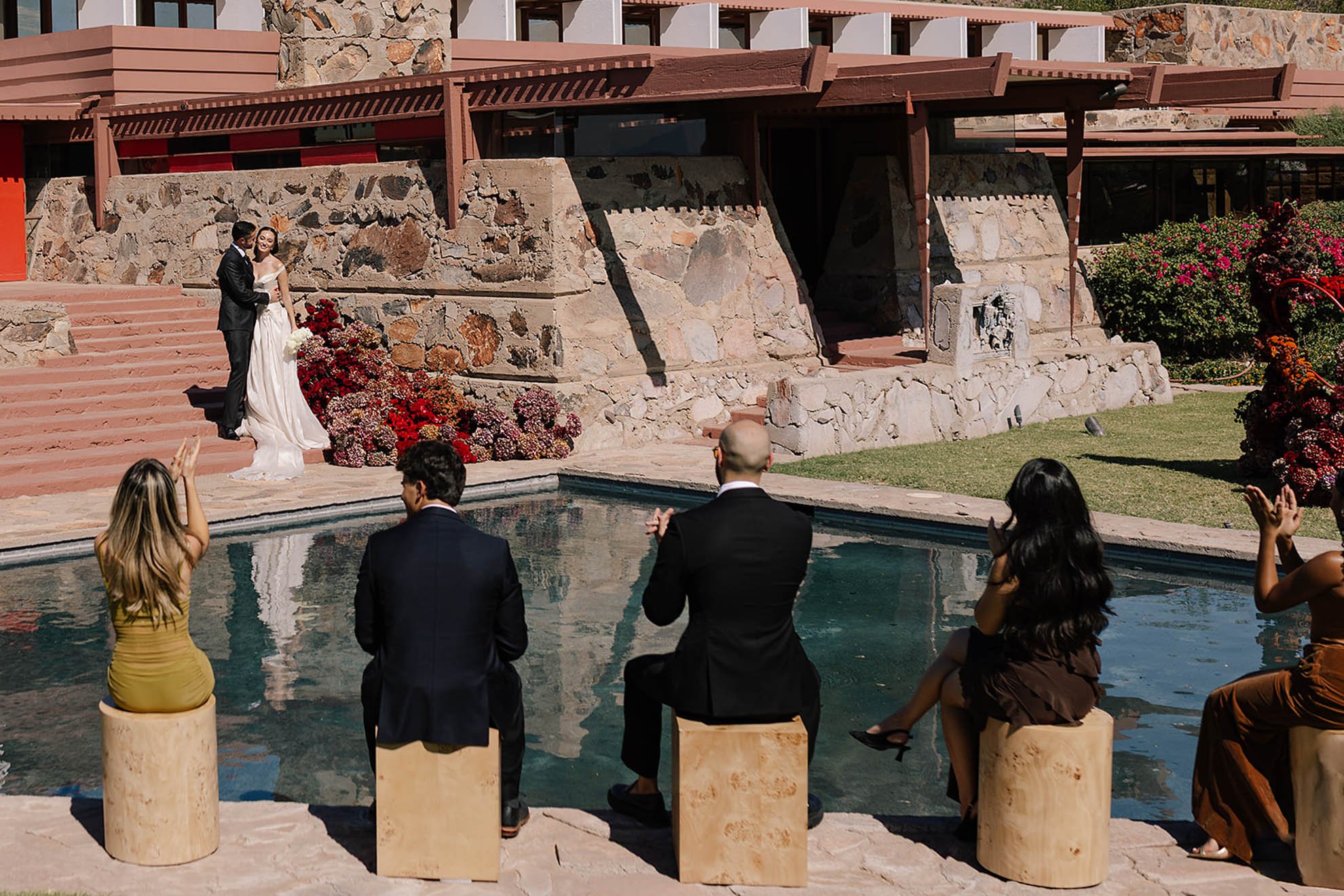
Photo By: Mashaida
2. Locations That Don’t Need to Be Overdesigned
Deserts, quarries, and remote landscapes are becoming some of the most impactful ceremony settings, not because they’re trending, but because of how they make people feel.
There’s a scale and stillness to these environments that naturally creates presence. You don’t need to compete with it.
We’re seeing a shift away from overly styled or themed approaches and toward something more grounded. The terrain itself becomes part of the design language.
Where this becomes complex, and where most couples underestimate the process, is infrastructure.
In remote locations, you’re often building everything from the ground up:
Power and lighting systems
Catering environments
Restrooms and guest comfort considerations
Transportation and accessibility logistics
Weather, wind, and terrain variables
And then there’s lighting.
Once the sun sets, everything changes. In these environments, lighting isn’t just functional; it defines the entire atmosphere for the rest of the evening.
Where this works best:
Desert venues across Arizona and California
European quarries or coastal cliffside properties
When executed properly, the experience feels less like a planned event… and more like something discovered.
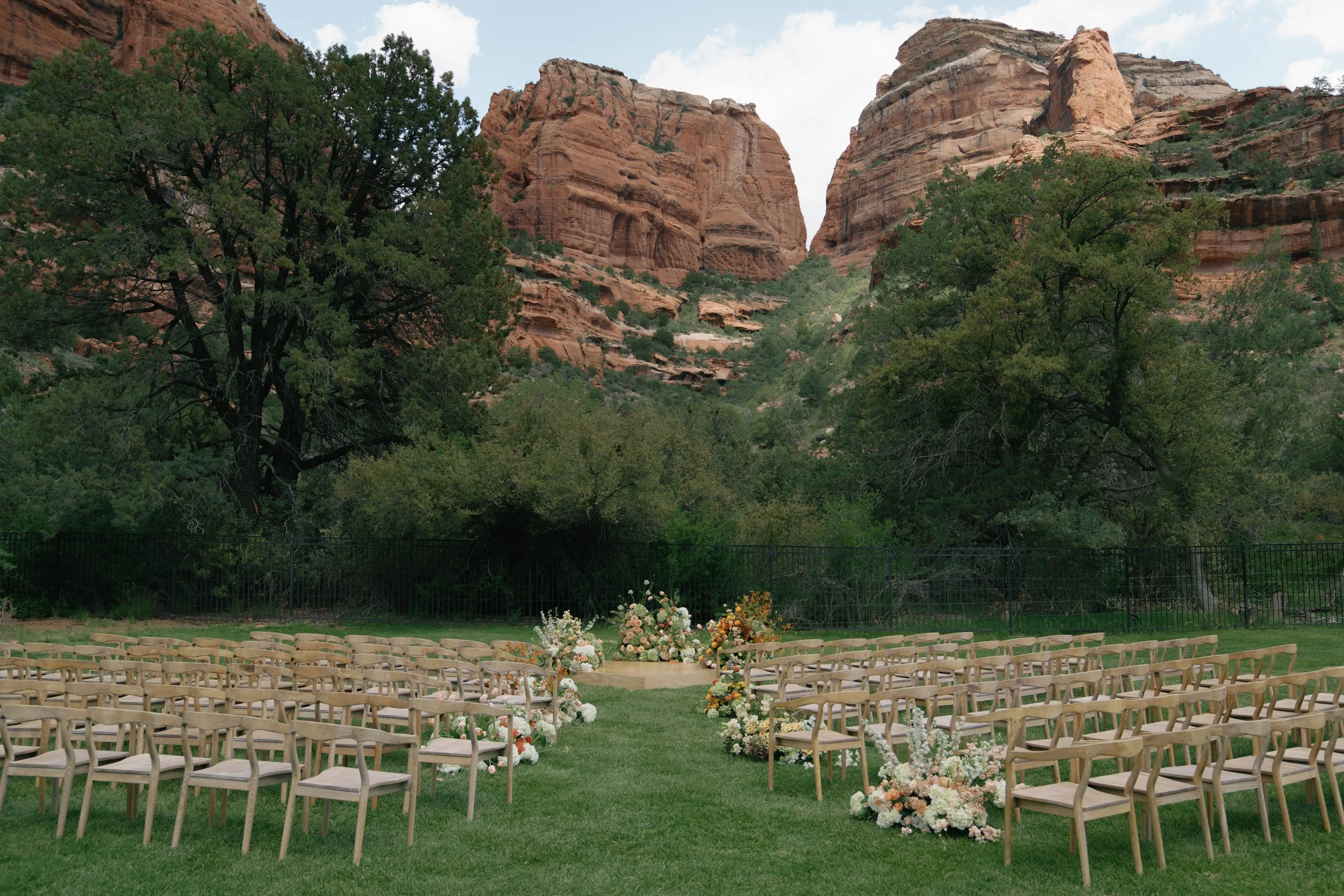
Photo By: Emily Bridgman
3. Venues That Already Understand Hospitality
Galleries, museums, and restaurants are quickly becoming some of the most compelling destination wedding venues.
Not just because they look good—but because they already know how to host.
These spaces are built for flow, energy, and interaction. Which means your event begins with a level of atmosphere that would otherwise need to be created from scratch.
Instead of building a traditional timeline, the experience becomes more fluid:
Guests move naturally rather than staying seated
Moments unfold rather than being announced
The energy builds instead of resetting
Restaurants, in particular, are redefining what a reception can feel like.
Full buyouts create an environment where:
The lighting is already considered
The menu becomes part of the experience, not just a component
The space transitions seamlessly from dinner into a full evening
The difference here is subtle, but important:
You’re not asking the venue to transform—you’re allowing it to do what it already does well.
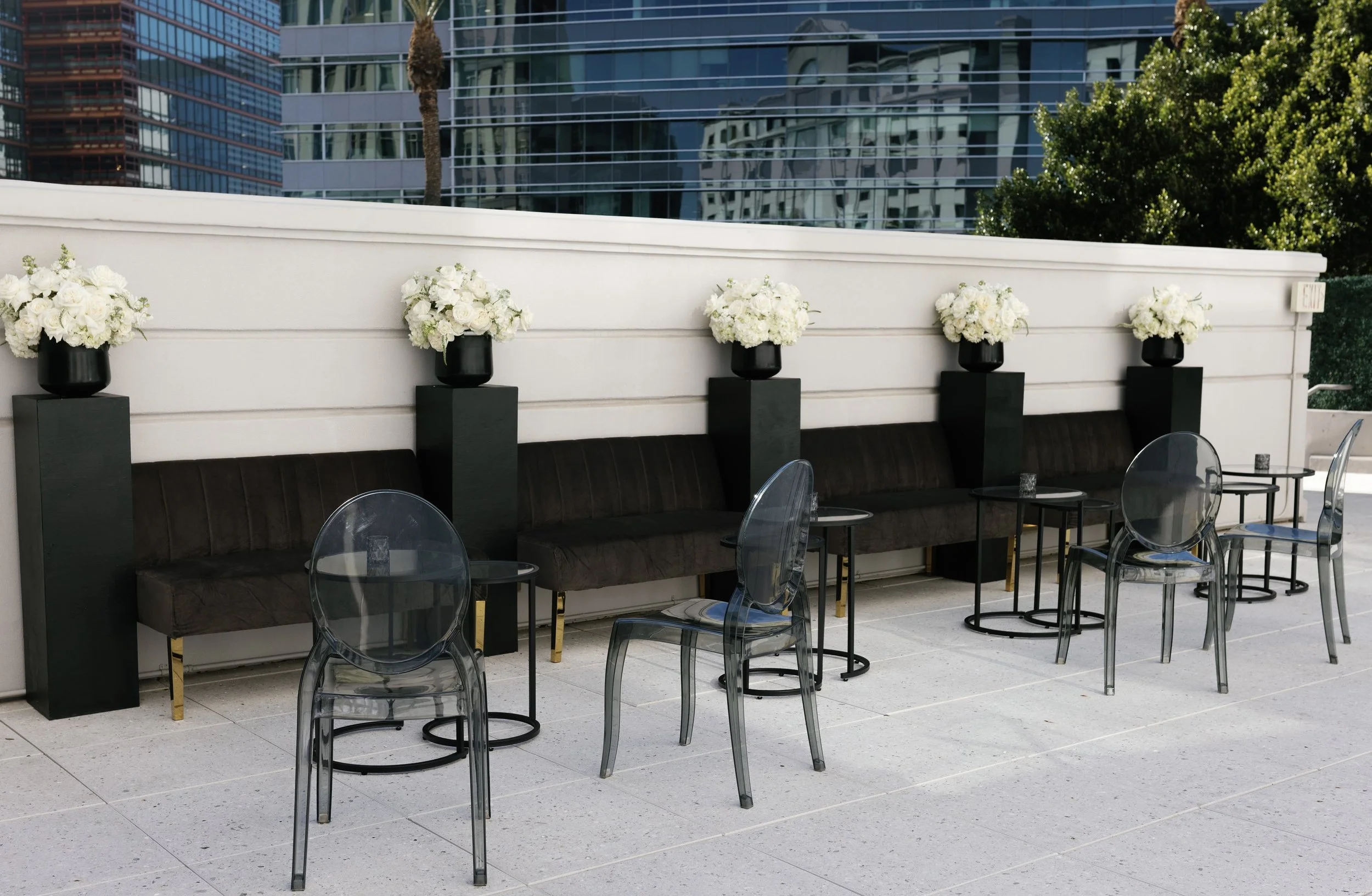
Photo By: Emily Bridgman
4. The Return of the “Night Out” Wedding
There’s a noticeable shift toward weddings that feel like your favorite night out… just elevated.
Less structure, more energy. Less formality, more connection.
We’re seeing:
Candlelit tables instead of overhead installations
Menus designed for experience, not standard catering formats
Layouts that encourage movement and conversation
This approach works especially well for luxury destination weddings because your guests arrive ready to engage. They’ve traveled, they’re present, and they want to feel part of something—not just attend it.
What couples don’t always realize:
This kind of experience still requires strong planning.
Flow is everything:
When guests arrive and how they’re welcomed
How transitions happen between moments
Where and how the energy builds throughout the night
When done right, it feels effortless. But the structure behind it is highly intentional.
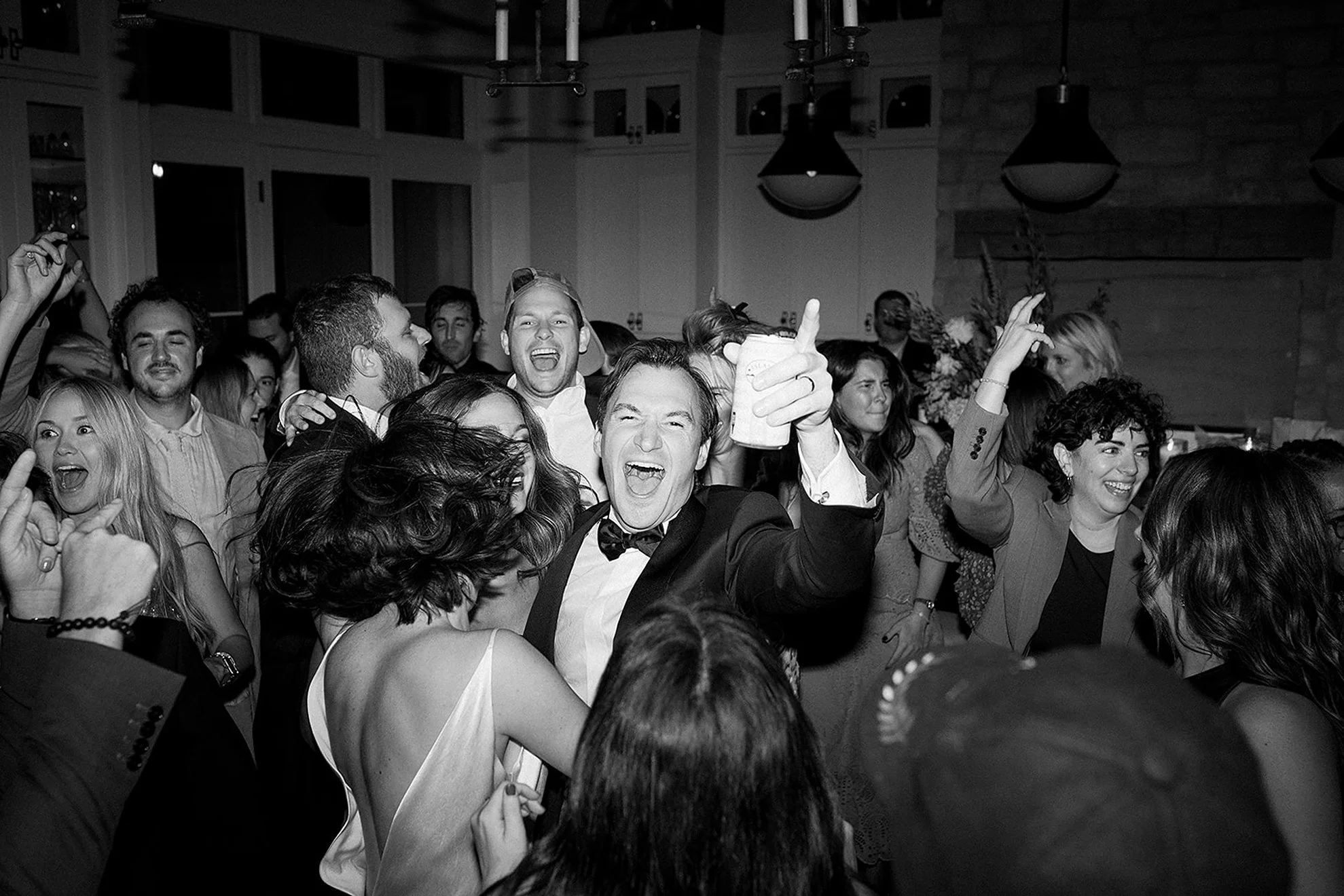
Photo By: Mashaida
5. Multi-Day Destination Wedding Experiences That Feel Connected
Multi-day destination weddings are no longer just a series of events; they’re a fully considered experience.
What’s changed is how these weekends are being designed.
Instead of:
Welcome party
Wedding
Brunch
We’re seeing more layered, intentional formats:
Private dinners in unexpected locations
Beach or boat experiences built into the itinerary
Cultural or destination-specific moments
Late-night extensions that feel spontaneous but are thoughtfully planned
The key is pacing.
The strongest multi-day wedding experiences:
Give guests time to enjoy the location.
Create contrast between high-energy and more intimate moments.
Allow the environment to influence how the weekend unfolds.
Where this often goes wrong:
Without a clear plan, multi-day weddings can feel repetitive or over-scheduled. The goal is progression; each event should feel distinct, while still connected to the overall experience.
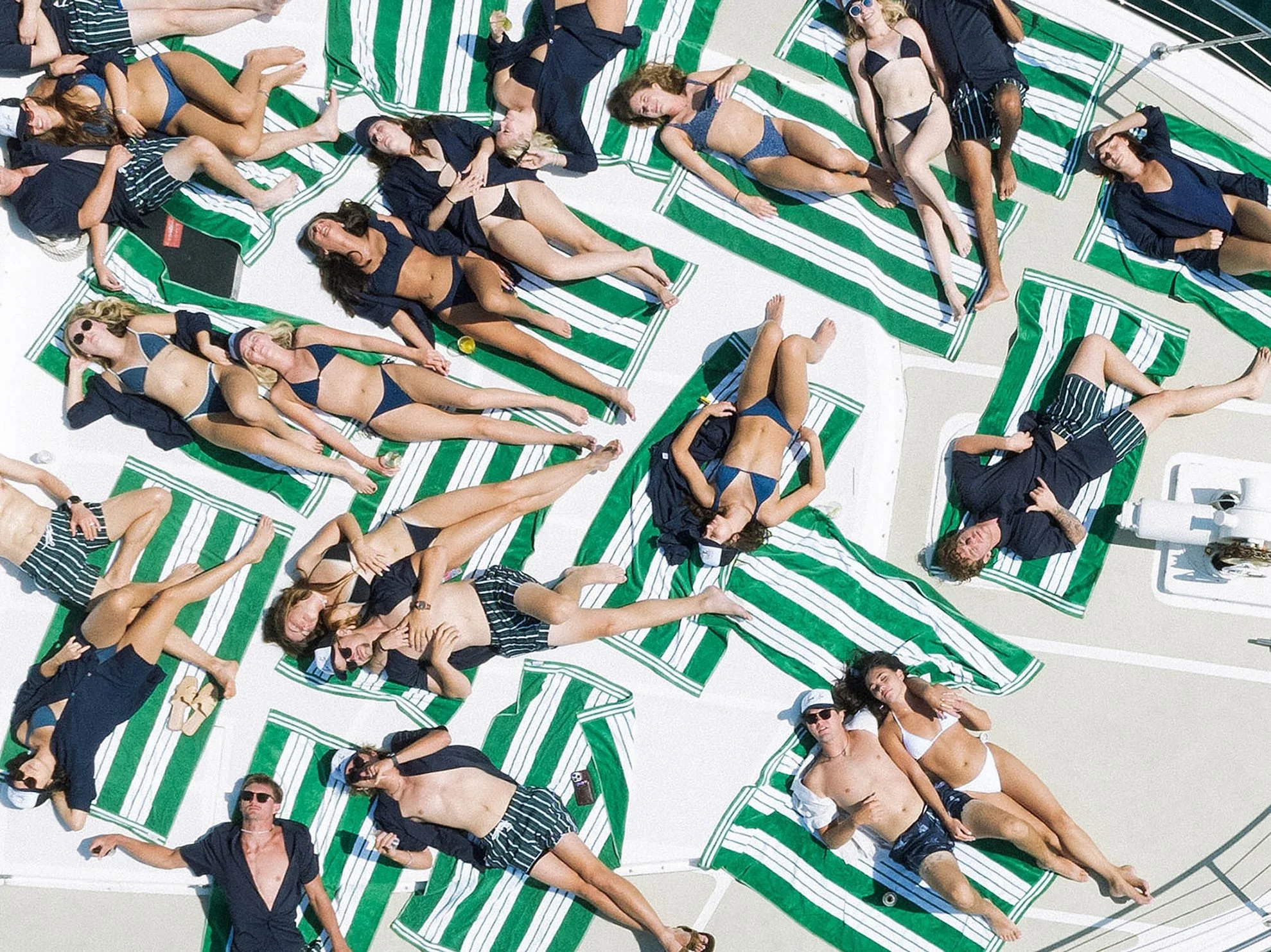
Photo By: Mashaida
6. Choosing a Destination Based on Feeling, Not Just Aesthetics
One of the biggest mistakes we see in luxury destination wedding planning is choosing a location based only on how it looks.
The most compelling weddings right now are rooted in how the place makes people feel.
Different destinations naturally create different experiences:
Mountain West → quiet, intentional, grounded
Tropical destinations → relaxed, immersive, extended stays
Mexico → energetic, layered, celebration-forward
Safari destinations → intimate, immersive, once-in-a-lifetime
Each one shapes:
The pace of the weekend
The design direction
The guest experience from arrival to departure
What we guide our clients through:
Instead of starting with visuals, we start with intention.
How do you want your guests to feel?
What kind of energy do you want across the weekend?
That clarity leads to the right destination every time.
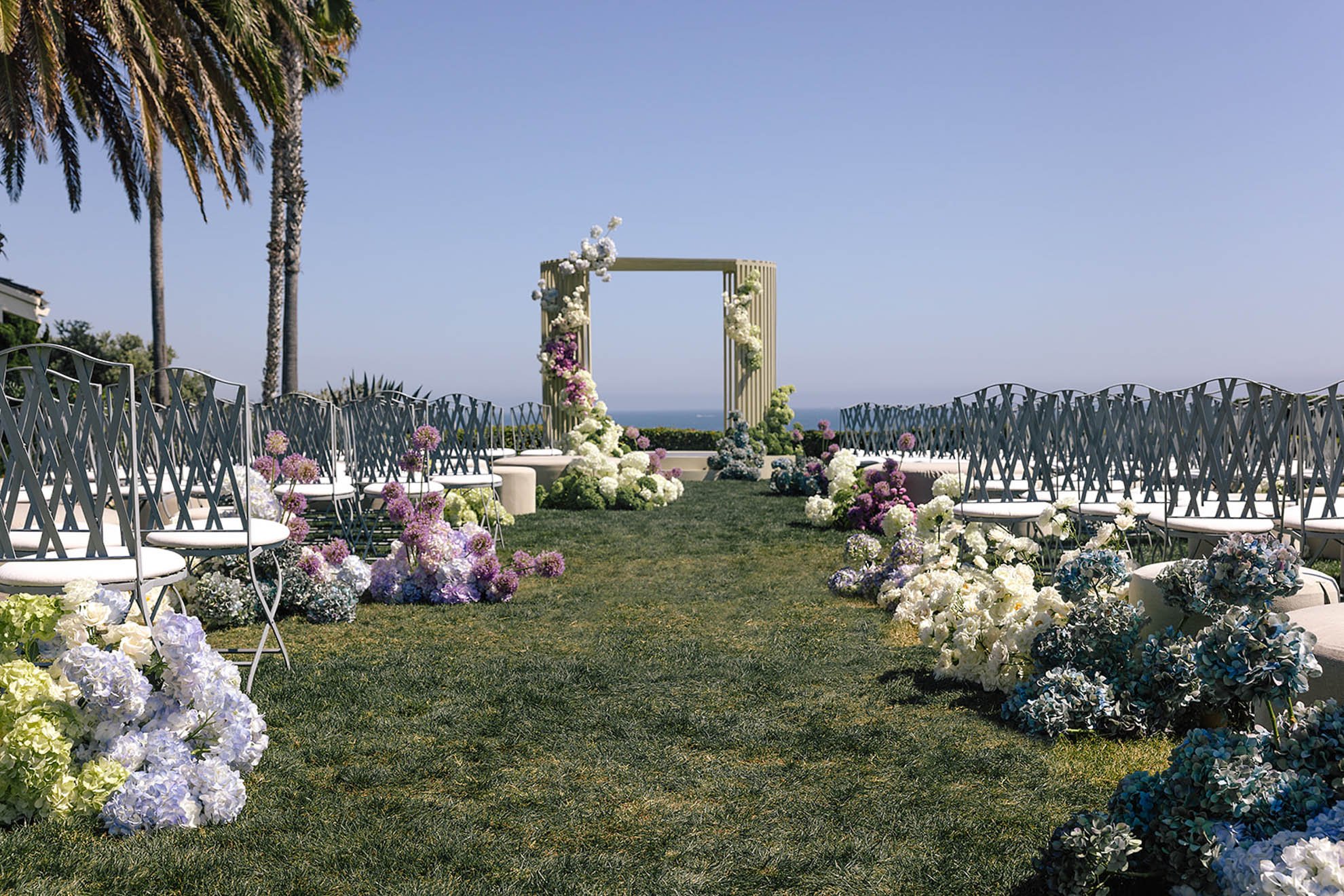
Photo By: Mashaida
7. Travel Becoming Part of the Experience
One of the more interesting shifts in luxury destination weddings is how travel itself is being integrated into the celebration.
It’s no longer just about getting there; it’s part of the experience.
We’re seeing:
Boat days and water-based experiences are built into the weekend
Movement between locations is treated as intentional transitions
Honeymoons that begin seamlessly as the wedding ends
This approach extends the experience beyond a single place.
Instead of rushing from one moment to the next, the journey itself becomes something guests remember.
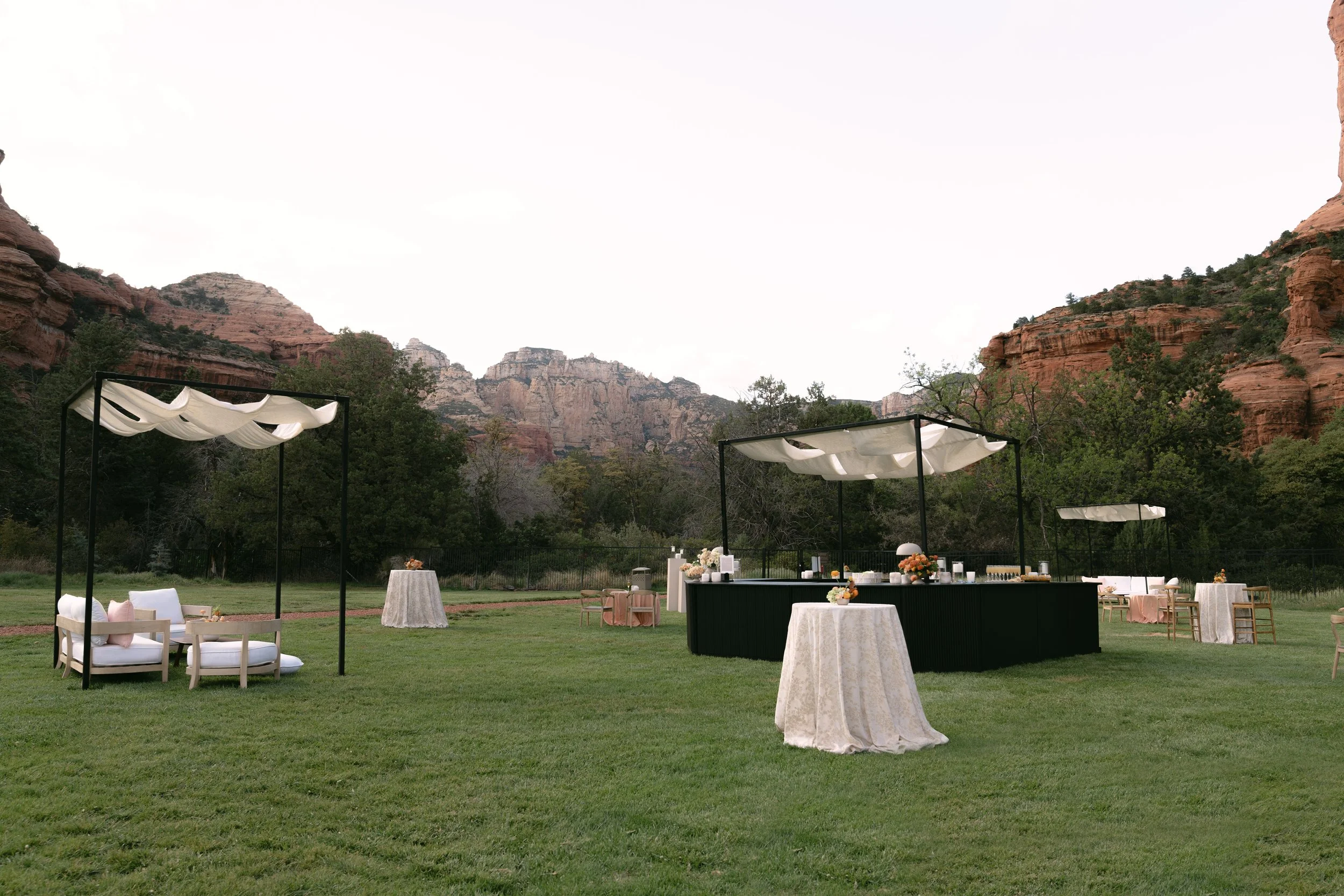
Photo By: Emily Bridgman
What This Means for Planning a Luxury Destination Wedding
The biggest shift isn’t about one specific trend; it’s about a different way of thinking.
The most impactful destination weddings today are built around:
Guest experience at every stage
Locations that contribute to the atmosphere, not just the setting
And, most importantly… a level of planning that makes everything feel easy once you arrive.
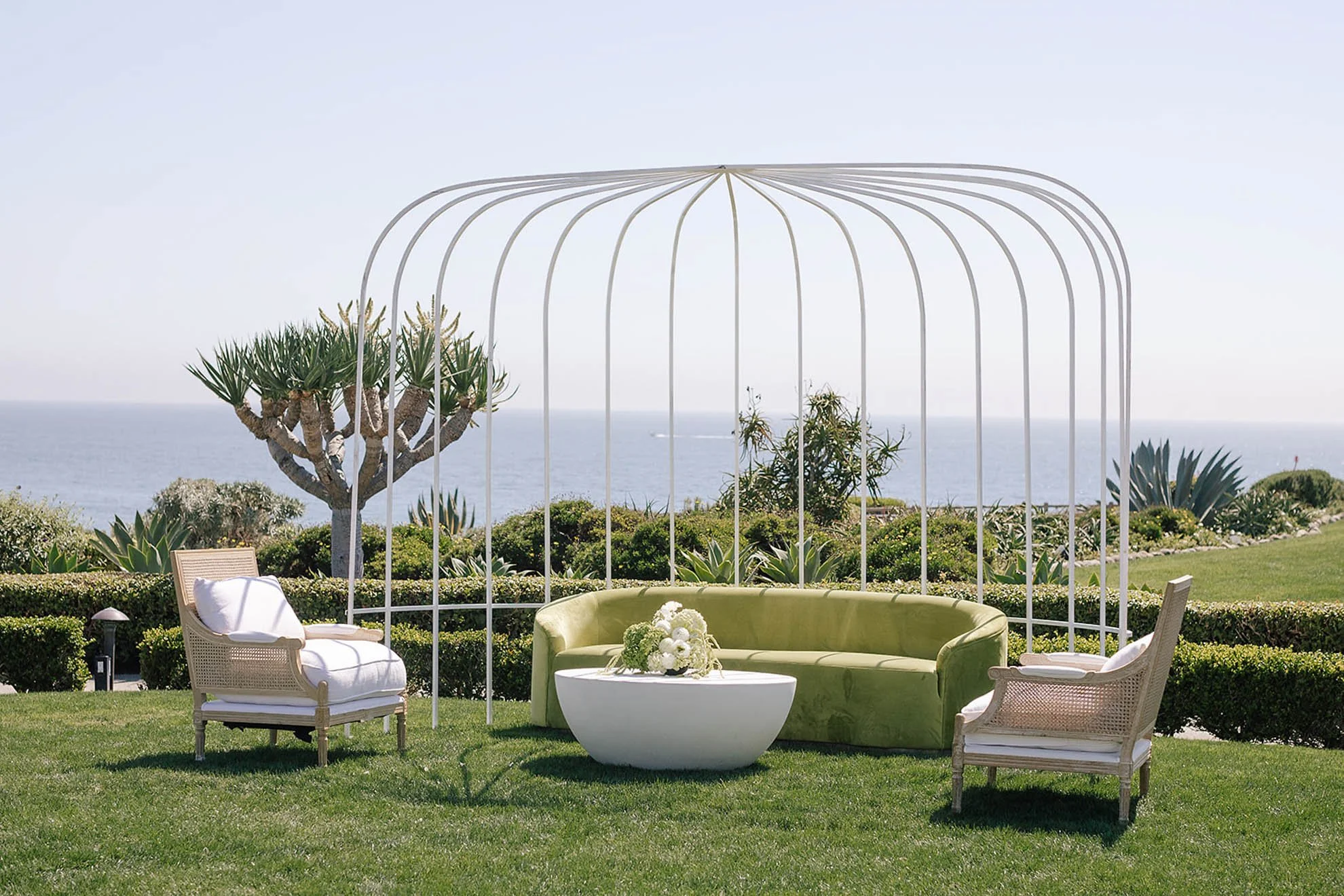
Photo By: Mashaida
Planning a Destination Wedding That Actually Works
This is where the difference really shows.
What feels effortless on the surface often requires:
Deep understanding of location-specific logistics
Strong relationships with local vendors and partners
Clear communication across time zones and cultures
A planning process that works whether you want to be highly involved or step back entirely
For many couples, the challenge isn’t vision; it’s execution.
Mandy Marie Events plans and designs luxury destination weddings across Mexico, California, and beyond… helping couples create celebrations that feel immersive, intentional, and entirely their own, while managing the complexity behind the scenes so the experience itself feels seamless.
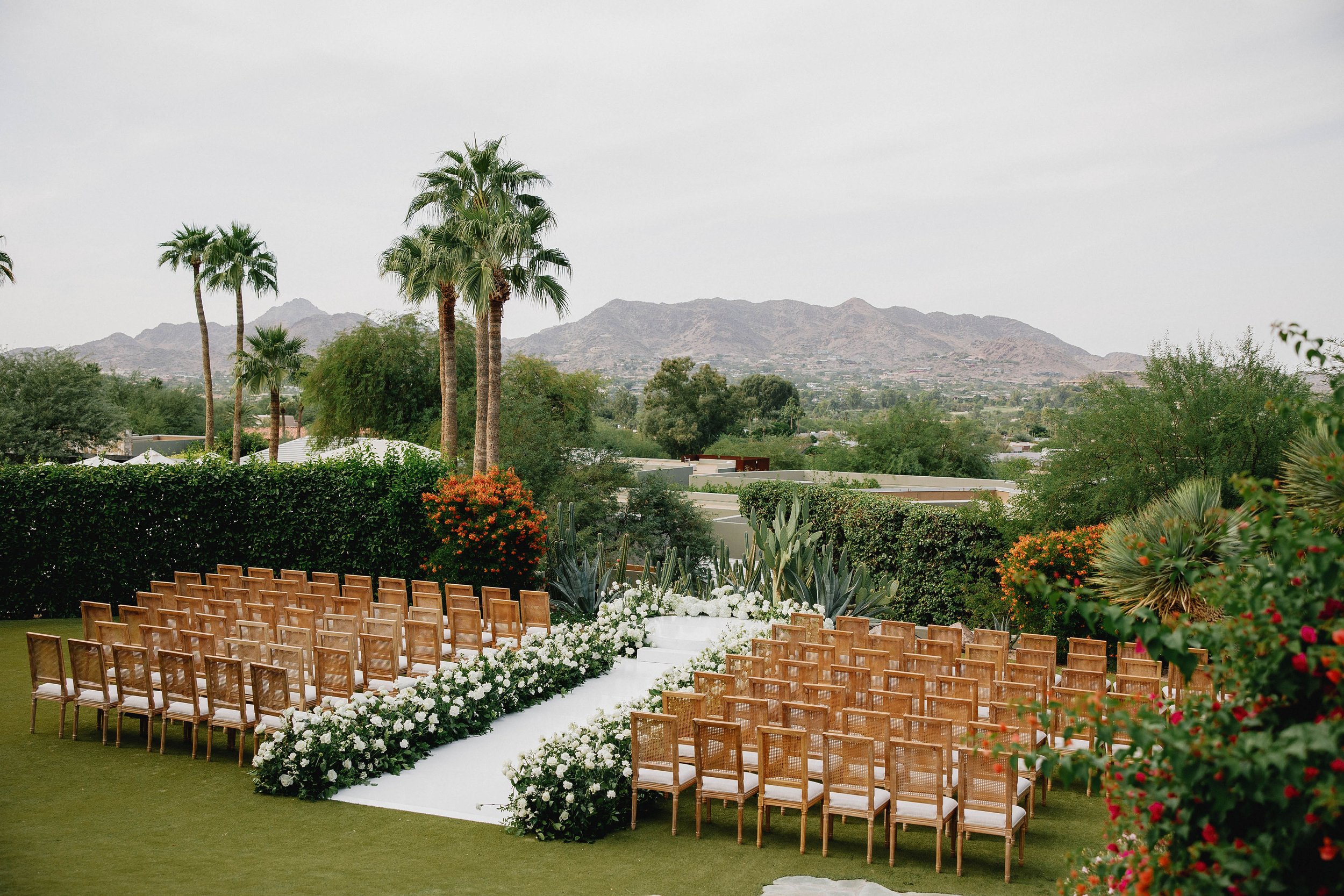
Photo By: Emily Bridgman
FAQ: Destination Wedding Trends
What is the biggest trend in destination weddings right now?
A shift toward experience-driven, multi-day celebrations where the location, design, and guest journey are fully connected.
Are destination weddings becoming more multi-day?
Yes. Most luxury destination weddings now include multiple events designed to create a cohesive, guest-focused experience.
How do you choose the right destination wedding location?
Start with how you want the weekend to feel. The destination should support the energy, pace, and overall experience you want to create.
Are non-traditional venues harder to plan?
Often, yes. Remote or unconventional venues require additional infrastructure and coordination, which is why working with an experienced planning team is essential.
If you’re interested in working with Mandy Marie Events to plan your wedding, we suggest reaching out to our team 9-18 months in advance of your desired wedding date. Of course, we can work on tighter timelines, but when possible, we like to make sure we can reserve your date at least a year ahead. Click here to inquire about our services →