
The Ultimate Guide to Selecting the Best Corporate Brand Event Planner
Choosing the right corporate event planner means finding a partner who blends strategic vision, creative alignment, logistical precision, and modern innovation. The best planners deliver measurable outcomes and memorable experiences —whether for conferences, product launches, or corporate celebrations.
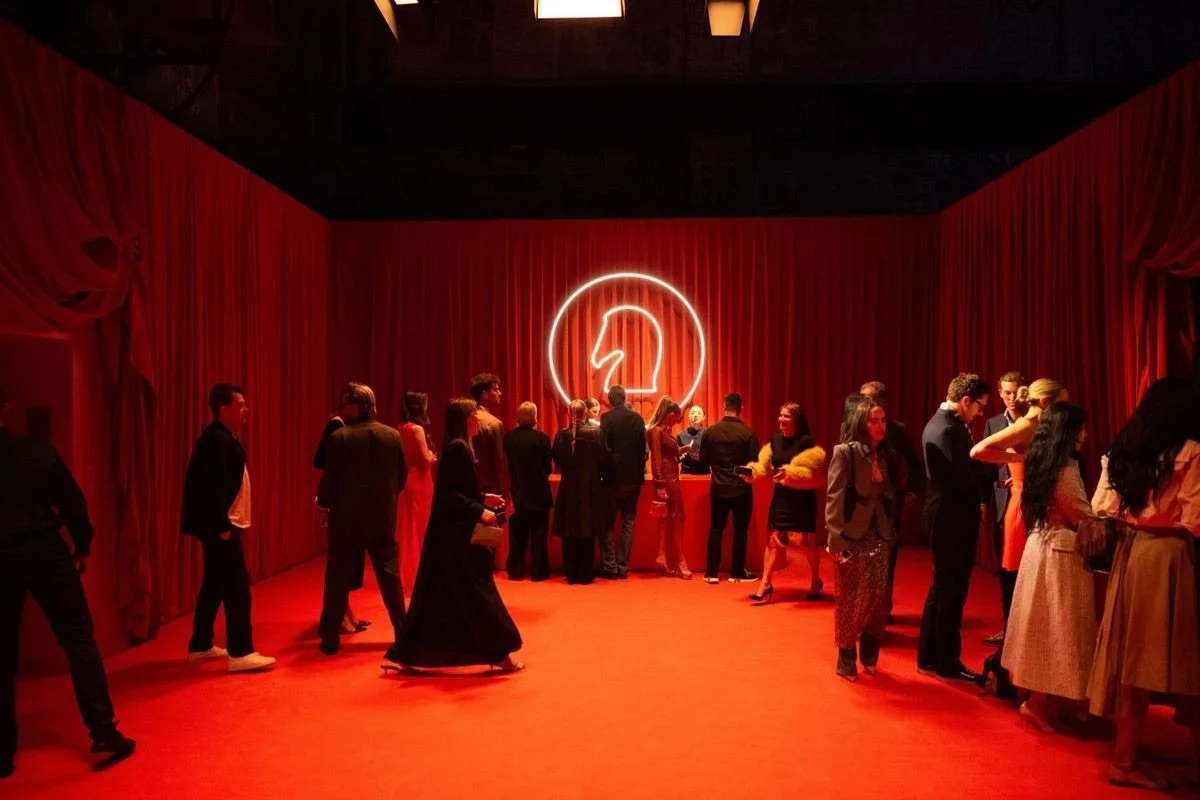
Photo By: Pinterest
Understanding Your Corporate Event Goals
Every successful event begins with clarity. Define objectives early—whether your focus is morale, lead generation, thought leadership, or brand visibility—because each goal demands a unique planning approach. From intimate retreats to large-scale conferences, professional planners tailor logistics and programming to match desired outcomes.
The right partner will conduct audience research that informs venue selection, catering, and entertainment. When you can clearly articulate your target audience, outcomes, and success metrics, your planner can design an event that drives tangible business results.
Key Services to Expect from a Corporate Brand Event Planner
Top corporate planners offer end-to-end services that remove vendor and timeline complexity:
Strategic planning and concept development
Venue sourcing and negotiation
Vendor management
Budget creation and tracking
Production timelines
On-site coordination and post-event analysis
Many planners also design brand activations—interactive experiences that connect audiences with your company’s message—supported by creative storytelling and cohesive brand integration across all touchpoints

Photo By: Pinterest
Evaluating Experience and Industry Expertise
Industry-specific experience matters: planners who know your sector anticipate regulations, security needs, and audience expectations, recommending suitable venues, vendors, and programming. Review portfolios for events comparable in scale and complexity; the banking and finance sector represents 25% of the corporate event market in 2025, so finance firms should prioritize compliance-aware planners. Favor firms with established venue and vendor networks to access better pricing, dates, and services; request case studies and testimonials that show how they handled challenges and measured outcomes.
Assessing Creative Vision and Brand Alignment
Choose planners who translate your mission into tailored, non-templated concepts that feel authentic to your brand. Effective planners weave branding into every guest touchpoint—venue décor, digital assets, printed materials, and interactive elements—so the brand story unfolds naturally across the guest journey.
When evaluating creative capabilities, request examples of:
Innovative decor and custom digital experiences
Themed programming or immersive design
Branded journey mapping
Custom digital integrations
Interactive elements that drive engagement without feeling overtly promotional

Photo By: Pinterest
Technology and Innovation in Event Planning
Modern events rely on technology to enhance experience, streamline ops, and deliver measurable data. Planners should be fluent with hybrid platforms that support in-person and virtual attendees and provide real-time analytics. Essential tech capabilities include:
Core capabilities include:
Streamlined registration and check-in systems
Event mobile apps for networking and scheduling
Live polling and Q&A sessions
Professional streaming for hybrid audiences
RFID or beacon tech for lead capture
Social media integration for live engagement
Advanced AV and production support
Post-event analytics to measure ROI
Ask prospective planners how they integrate these tools into both the attendee experience and your reporting structure.
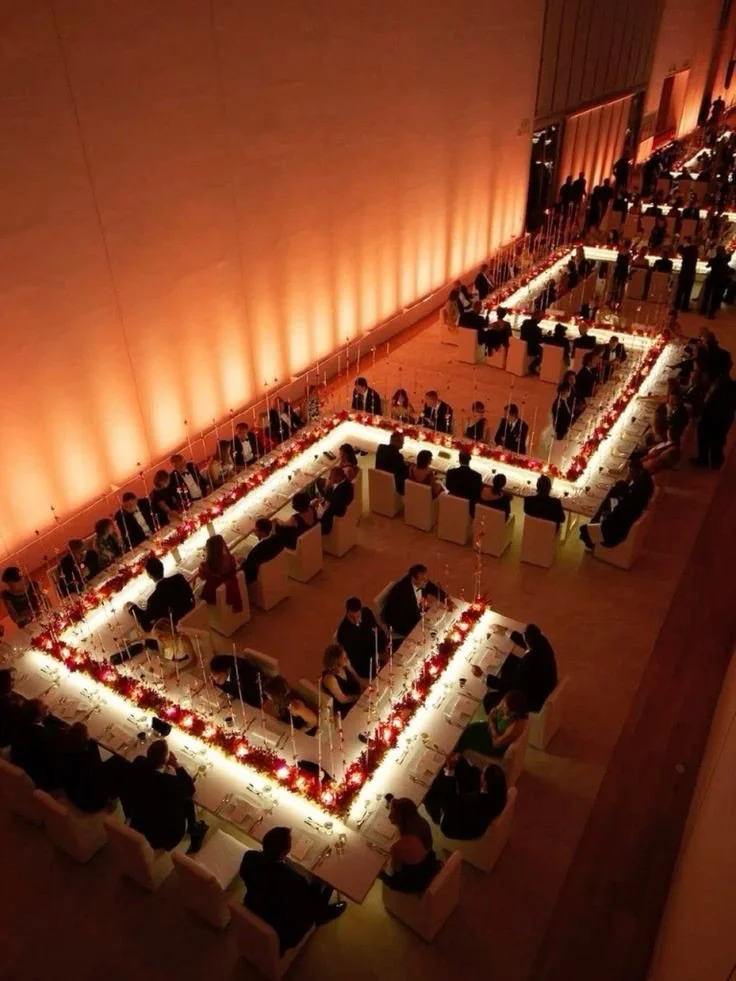
Photo by: Pinterest
Commitment to Sustainability and Social Responsibility
Sustainability is increasingly strategic: 67% of Millennial and Gen Z guests prefer brands with strong sustainability commitments, so green practices affect perception and satisfaction. Consider waste reduction, sustainable catering, and eco-friendly materials— a typical conference attendee generates about four pounds of waste daily.
When interviewing planners, ask about:
Waste reduction and recycling programs
Sustainable catering and decor practices
Vendor selection focused on local or minority-owned businesses
Community partnerships and charitable initiatives
Planning Process and Client Communication Style
A structured process reduces risk and ensures alignment. Look for a planner who follows defined phases:
discovery and goal setting
concept development
logistics
rehearsals, execution
post-event analysis
White-glove planning is marked by proactive, transparent communication. You should have access to your lead planner, regular updates, and clear milestones. A true partner anticipates challenges, maintains responsiveness, and keeps you informed every step of the way.
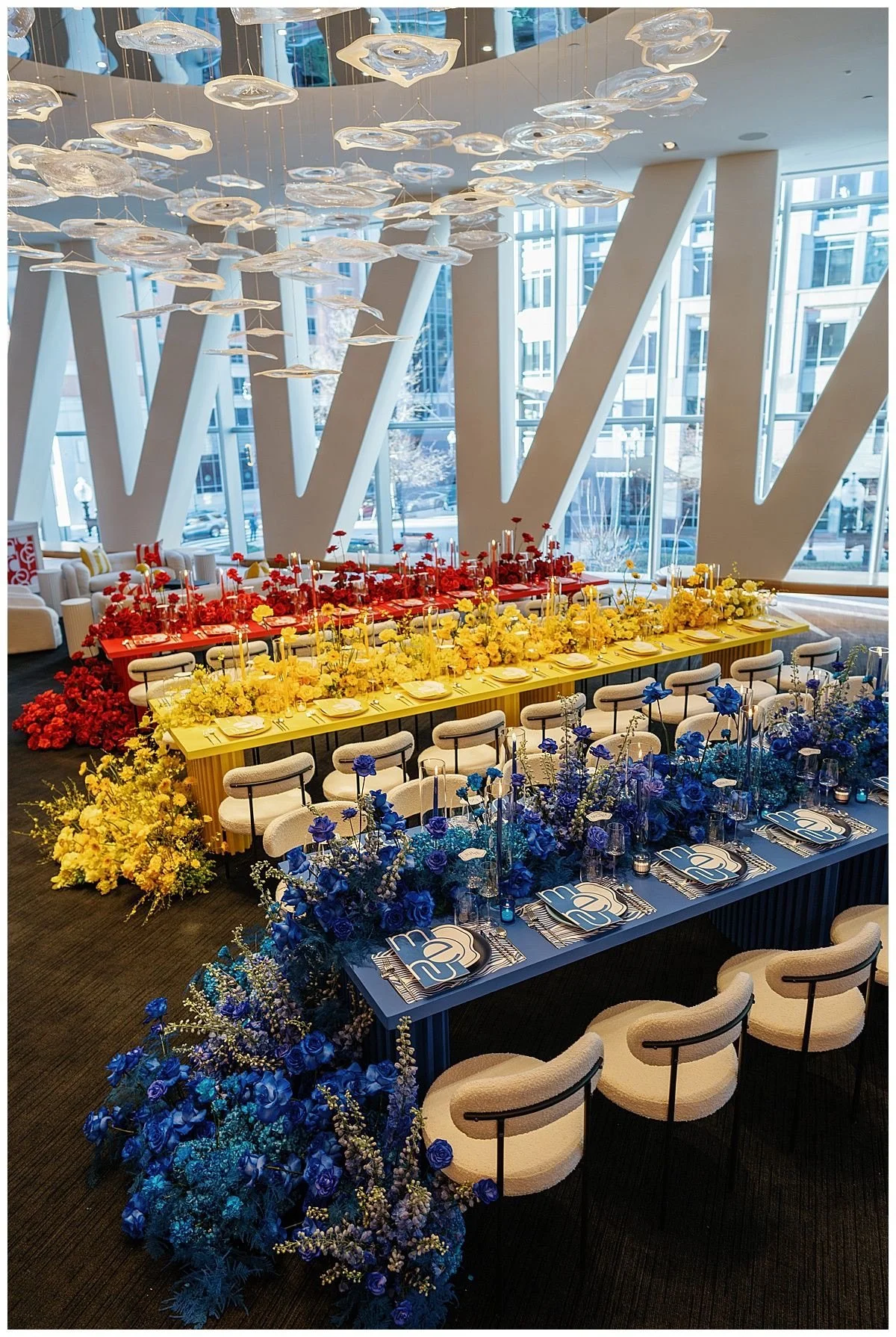
Photo By: Pinterest
Budget Transparency and Detailed Proposals
Financial clarity builds trust. Reputable planners provide itemized proposals that include:
Line-item budgets and payment schedules
Scope of services and deliverables
Vendor costs and markup policies
Contingency allowances
Compare inclusions carefully—setup fees, vendor management, and overtime often vary. Choose an open, flexible, and solutions-oriented planner when aligning scope with your budget.
Checking References and Measuring Success
References reveal professionalism, adaptability, and results. Ask targeted questions about performance under pressure, handling of last-minute changes, vendor relationships, communication during planning, and measurable outcomes. Confirm how planners gather attendee feedback, measure ROI and business impact, and produce post-event reports; the best use data to refine future events and demonstrate continuous improvement.
Finalizing Your Event Planner Contract
Your contract should clearly define deliverables, payment terms, and contingencies. Confirm policies for cancellation, insurance, and liability, and include written addenda for any custom elements. A thorough review by internal stakeholders (legal, finance, and marketing) helps prevent misunderstandings and ensures alignment across teams.

Photo By: Pinterest
Frequently Asked Questions
What types of corporate events do planners typically manage?
Planners manage conferences, seminars, product launches, brand activations, galas, awards, trade shows, exhibitions, corporate retreats, team-building events, holiday parties, appreciation events, influencer events, and executive meetings—each requiring tailored expertise and approaches.
How do event planners ensure a corporate event reflects our brand?
Planners perform brand discovery, develop custom designs using brand colors and visuals, produce branded materials and signage, select aligned venues and vendors, and design guest experiences that embody your company values.
When should we start booking key speakers and vendors?
Book key speakers and popular vendors 6–12 months in advance (earlier for high-profile talent or peak dates) to allow for contracts, content development, technical coordination, and contingency planning.
What should be included in a comprehensive event planning proposal?
A complete proposal covers the scope of services, budget ranges and payment schedules, timelines with milestones, vendor lists, contingency plans, branding and design concepts, and post-event reporting, clearly stating inclusions and exclusions.
How can event planners handle unexpected challenges during execution?
Experienced planners use contingency plans, flexible problem-solving, backup vendors, technical support, and calm, transparent client communication to resolve issues quickly and maintain a seamless guest experience.
Are you ready to start planning with our event planning team? We’d love to hear what you’re dreaming up. Let's start the conversation.