
AI Wedding Planning: Where Inspiration Ends, and Production Begins
Technology can make an idea visible in seconds. It cannot make it viable.
Pinterest and Instagram changed how couples discover weddings. AI is changing how quickly they can visualize them. A prompt can now produce a ceremony in a field, a floral ceiling inside a historic room, or a completely transformed tent before anyone has visited the venue, reviewed the contract, or asked how the installation will be executed.
That creative acceleration is exciting. It can also compress the distance between imagination and expectation until the two appear to be the same thing.
And the reality is, they are not.
AI wedding planning can help couples organize thoughts, explore and translate visual inspiration, and ask better questions. It cannot yet understand all the physical, financial, and human conditions that determine whether an idea can become a successful wedding.
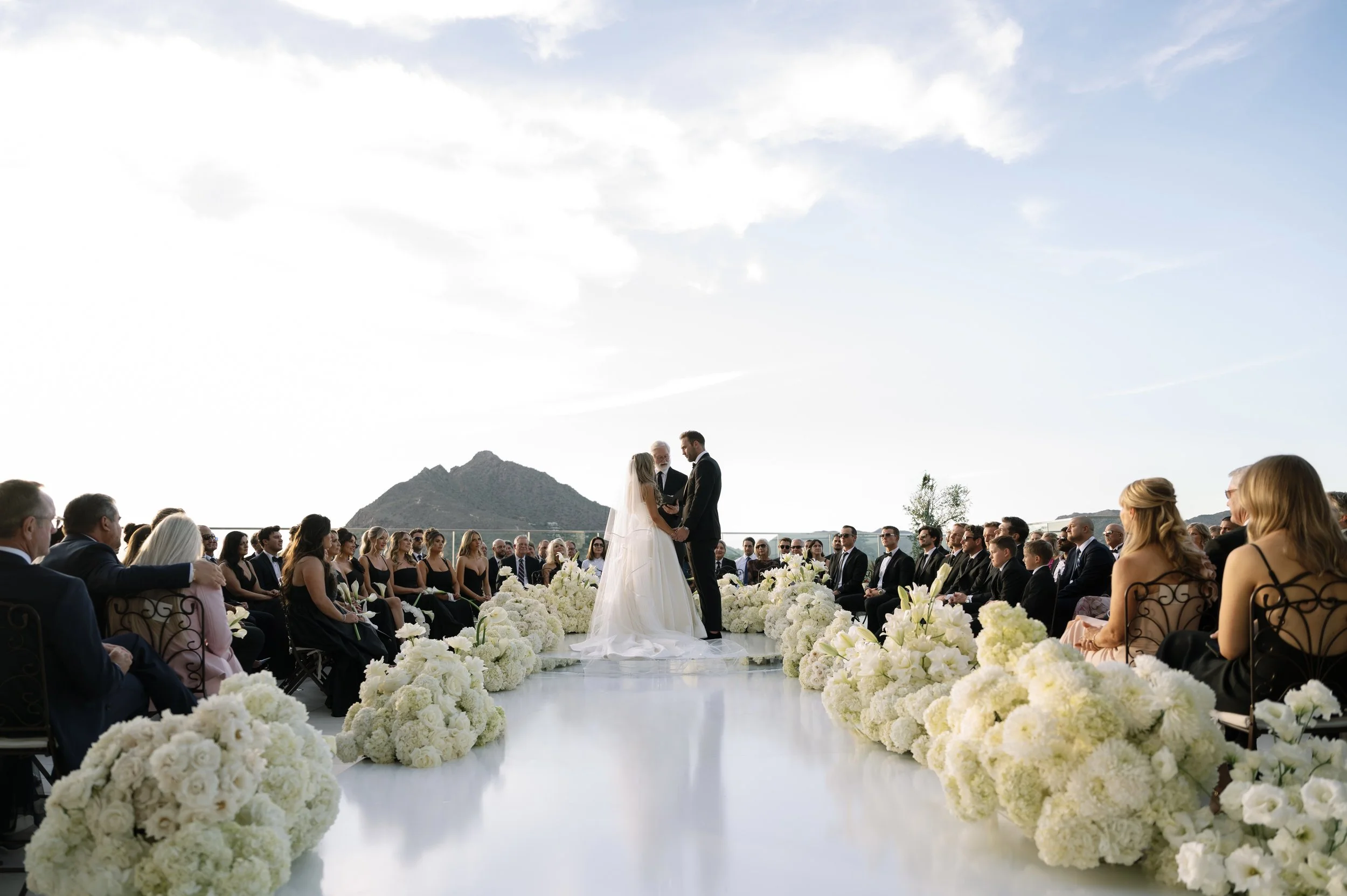
Photo By: Hayley Dolson
The Image May Be Real. The Context Is Missing.
Pinterest and Instagram often showcase the top tier of what the wedding industry can produce. The images themselves are not necessarily misleading. What is missing is the context around them.
A photograph does not identify how many days the venue was rented for a complex installation. It does not show whether the floor is level, whether the ceiling can support the suspended design, or whether the room has enough power for catering, lighting, entertainment, and climate control simultaneously.
It never explains the labor, delivery, permitting, engineering, fire-safety review, access restrictions, overnight work, or back-of-house buildout required to support the evening or multi-day event.
We see this disconnect most often when a highly specific image is paired with online pricing or AI-generated advice that does not account for the venue, location, labor, or production conditions behind it. The visual reference feels specific. The information attached to it is often generic. When real proposals begin to arrive, they can feel unexpectedly high, not because the image was impossible, but because the information never accounted for what making it possible would require.
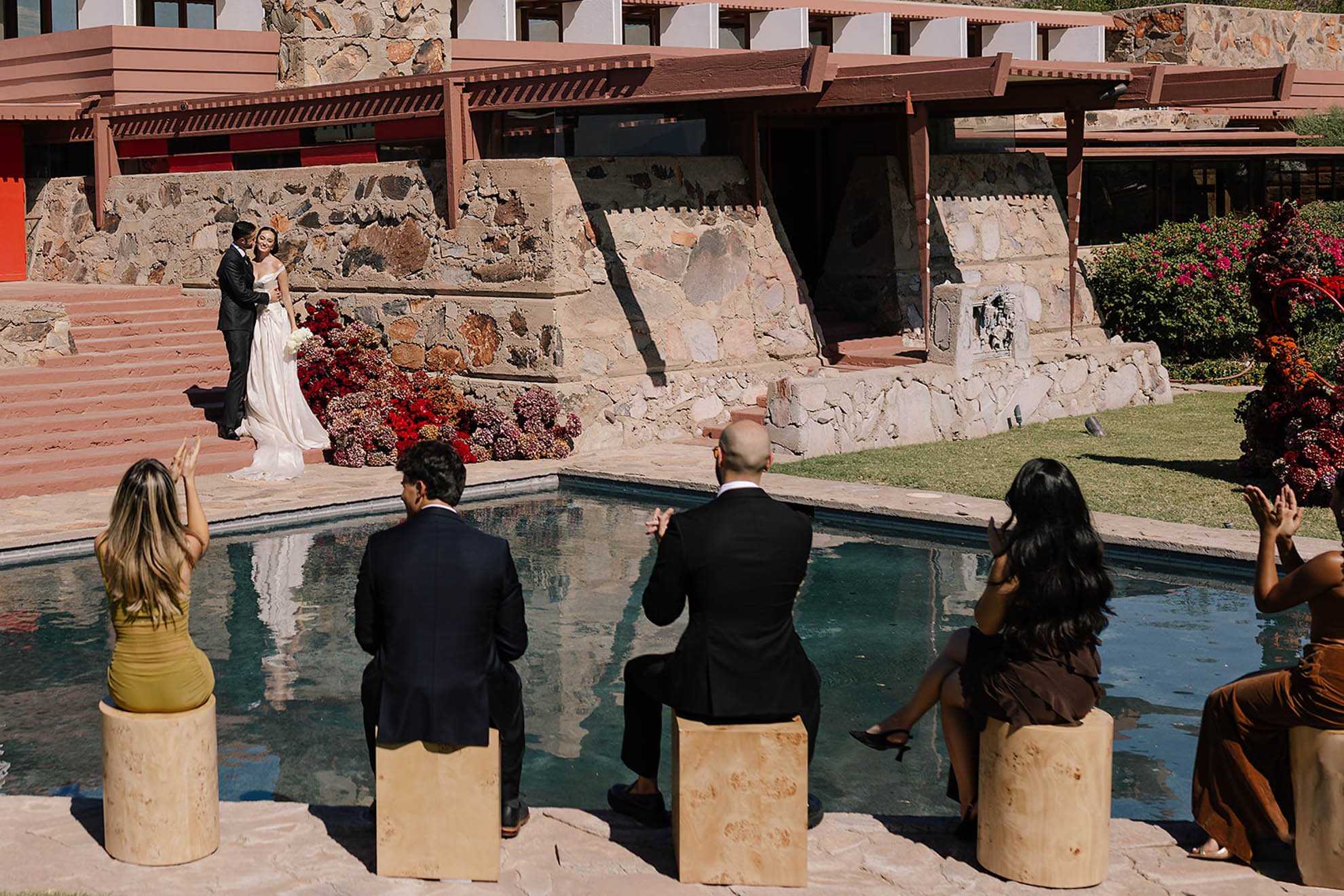
Photo By: Mashaida
A Rendering Is Not a Production Plan
A rendering can answer what a space might look like. Production planning answers whether the concept can be built, operated, and safely and comfortably hosted within the venue’s rules.
Consider something as familiar as a tent. Before design enters the conversation, the team may need to evaluate:
site access and heavy machinery routes;
ground conditions, drainage, and weather exposure;
permits, engineering, and fire requirements;
staking, ballasting, or other structural restrictions;
trussing, subflooring, finished flooring, and surface protection;
power distribution, generators, and fuel;
lighting, heating, or air conditioning;
catering kitchens, restrooms, and service pathways;
installation and strike windows;
and a contingency plan if the original assumptions change.
None of those decisions is particularly photogenic. Everyone can affect the safety, comfort, cost, and feasibility of the design.
This is also why two visually similar ideas can carry completely different production requirements at two different venues.
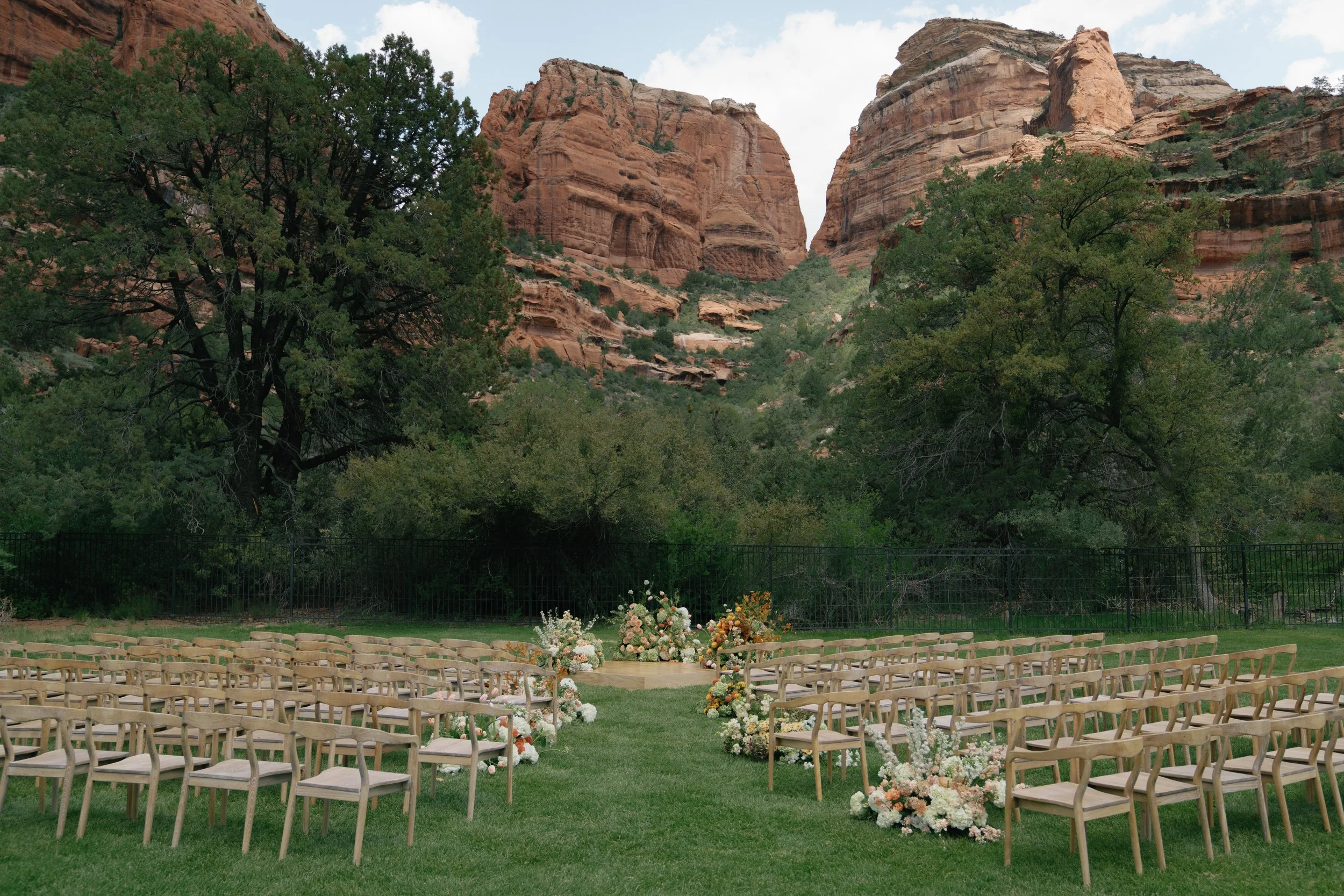
Photo By: Emily Bridgman
Online Pricing Often Answers the Wrong Question
Automated estimates are most vulnerable when a category depends on context, access, availability, or private-event requirements.
Entertainment is a useful example. A public estimate for a headliner’s appearance may be based on festival, concert, or reported booking information. A private event may involve entirely different fees, agency structures, travel and hospitality riders, exclusivity/NDAs, production riders, insurance, and availability.
The same problem appears in floral, tenting, staging, and lighting estimates. A platform can identify a general category. It may not know the labor rules in that market, the venue’s approved teams, the required mechanics, lighting, or power, the staffing and installation window, or whether every item must be removed before sunrise. Those are only a few of the intricate layers that shape a real proposal.
When an online estimate excludes those conditions, an accurate proposal can appear excessive simply because it is being compared with an incomplete number. We understand why that difference creates concern. Wedding investments are significant, and there are no opportunities to redo the experience once the weekend begins.
Our role is not to accept a high proposal simply because it comes from a respected creative partner. It is to question the assumptions, examine the scope, identify what is essential, and determine whether the investment will meaningfully improve the celebration. We approach our clients’ money with the same care we would give our own because our success depends on more than producing one beautiful wedding. It depends on creating an experience our clients are thrilled to have hosted and proud to recommend to the people they love.
Creative partners should be compensated fairly for the expertise and labor required. But the goal is never to spend more for the sake of spending more. It is to understand what the celebration truly requires, where the investment will be felt, and where it will not.
An estimate without assumptions is not a production budget. It is a starting point for questions.
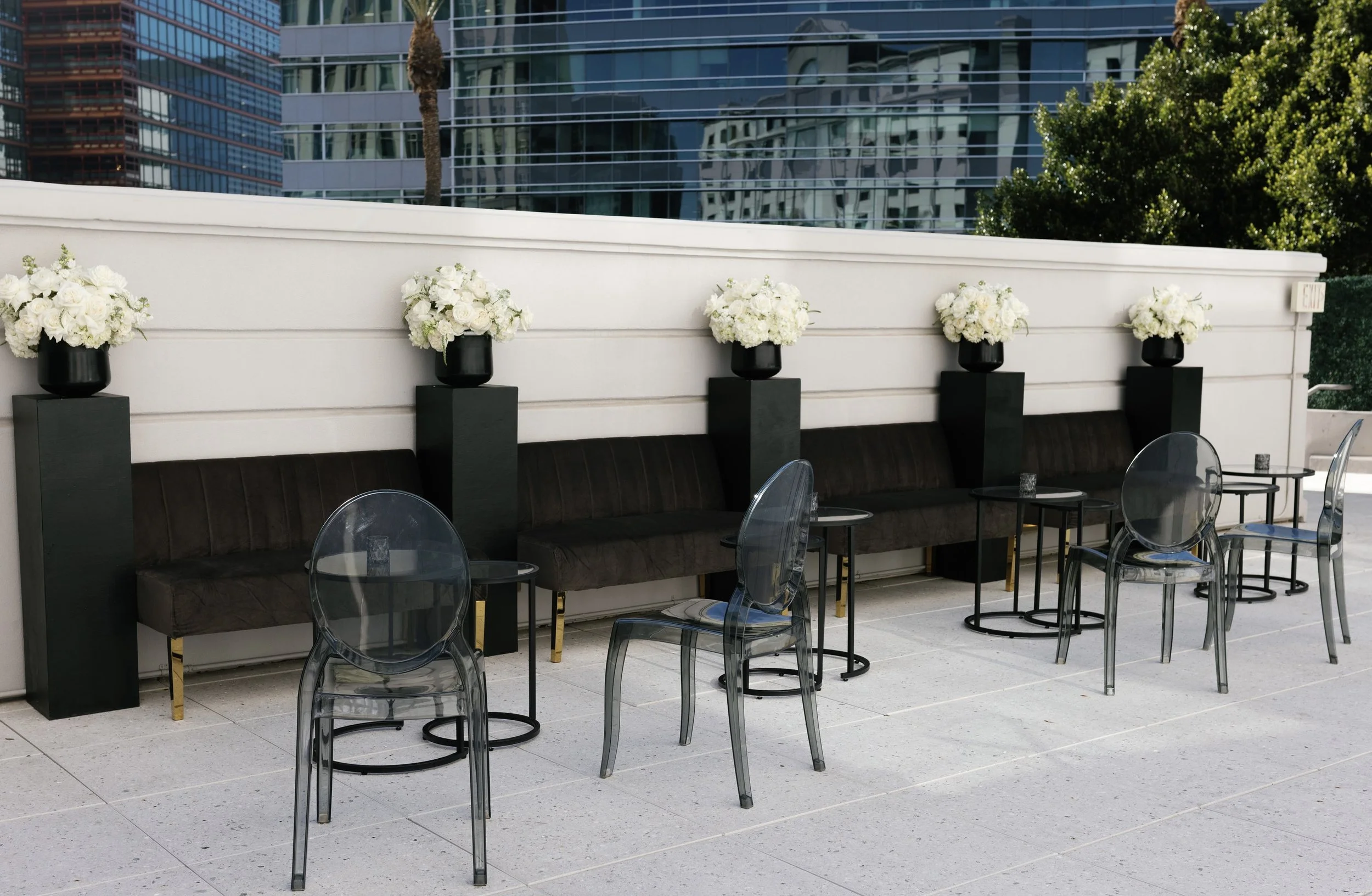
Photo By: Emily Bridgman
AI Timelines Do Not Yet Understand the Human Day
A wedding timeline looks linear when it is written in a single column. The real event is happening from dozens of vantage points at once.
At a large multi-day wedding, the planner may be reconciling 25 to 35 creative and production teams, sometimes more. Each has its own contract, arrival time, setup sequence, staffing plan, meal period, performance window, and departure requirements.
At the same time, the timeline must account for the couple, both families, the wedding party, VIP guests, transportation, venue operations, catering service, photography, film, entertainment, and every transition between locations.
One five-minute delay may be harmless. Or it may affect sunset portraits, guest transportation, kitchen timing, a live performance, a room reveal, and the start of your dinner reception.
AI can organize information. It cannot always read the human realities behind it: which parent needs additional time, which transition will feel rushed, when guests will become restless, how long it actually takes a room to move, or which team needs a private conversation before the plan can proceed.
That judgment is earned through repetition, observation, and experience.
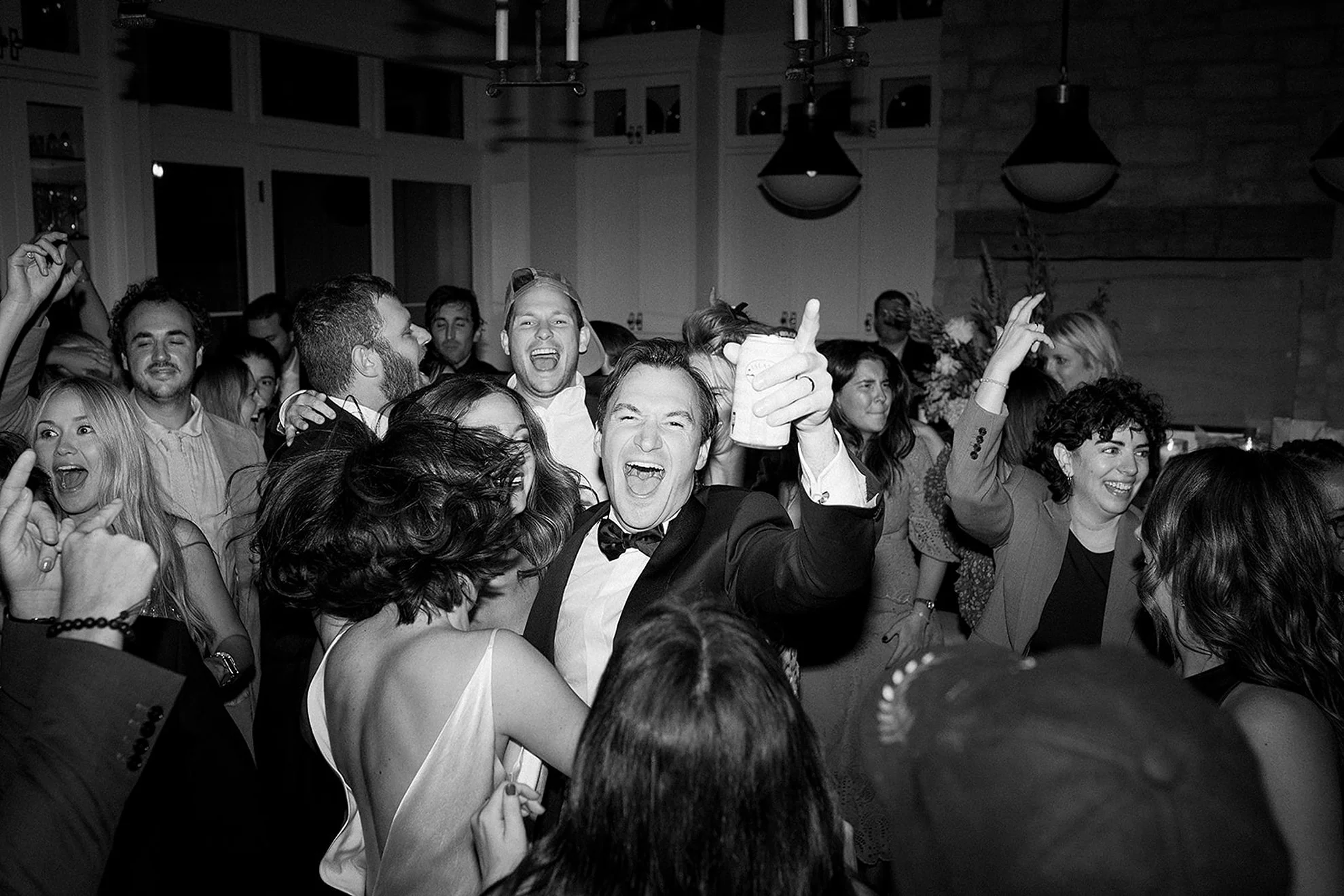
Photo By: Mashaida
The Rendering Should Never Become a False Promise
Technology has made design presentations more immersive. That creates a greater responsibility to distinguish creative direction from guaranteed results.
A rendering should be grounded in the venue, investment, and capabilities of the team expected to produce it. If a concept depends on an unapproved structural attachment, an unavailable material, or an installation schedule that the venue will not permit, the image is not serving the couple. It is selling them a problem.
The goal is to show enough that the couple can understand the vision without pretending that real materials, natural flowers, changing light, and live spaces will behave like pixels.
We would always rather have the finished room exceed the rendering than ask a couple to accept why the rendering could never have existed.

Photo By: Mashaida
Design Imagines the Feeling. Production Protects It.
Once a concept is approved, the visible idea becomes a network of commitments.
Estimates become contracts and payment schedules. Renderings become measurements, tastings, engineering, samples, mockups, and site meetings. The venue, planner, designer, florist, production team, caterer, entertainment, and rental partners work out how their individual responsibilities will align with a shared objective.
There may be cross-team meetings to address issues related to power, rigging, timing, or access. There may be a primary plan, a weather plan, and a point at which the team must decide which plan to proceed with.
Couples are not only paying for someone to imagine the room. They are paying for relationships, standards, trained teams, proven processes, and the ability to adapt before a problem becomes part of the guest experience.
This is a one-time event. There is no second performance after everyone learns what should have happened.
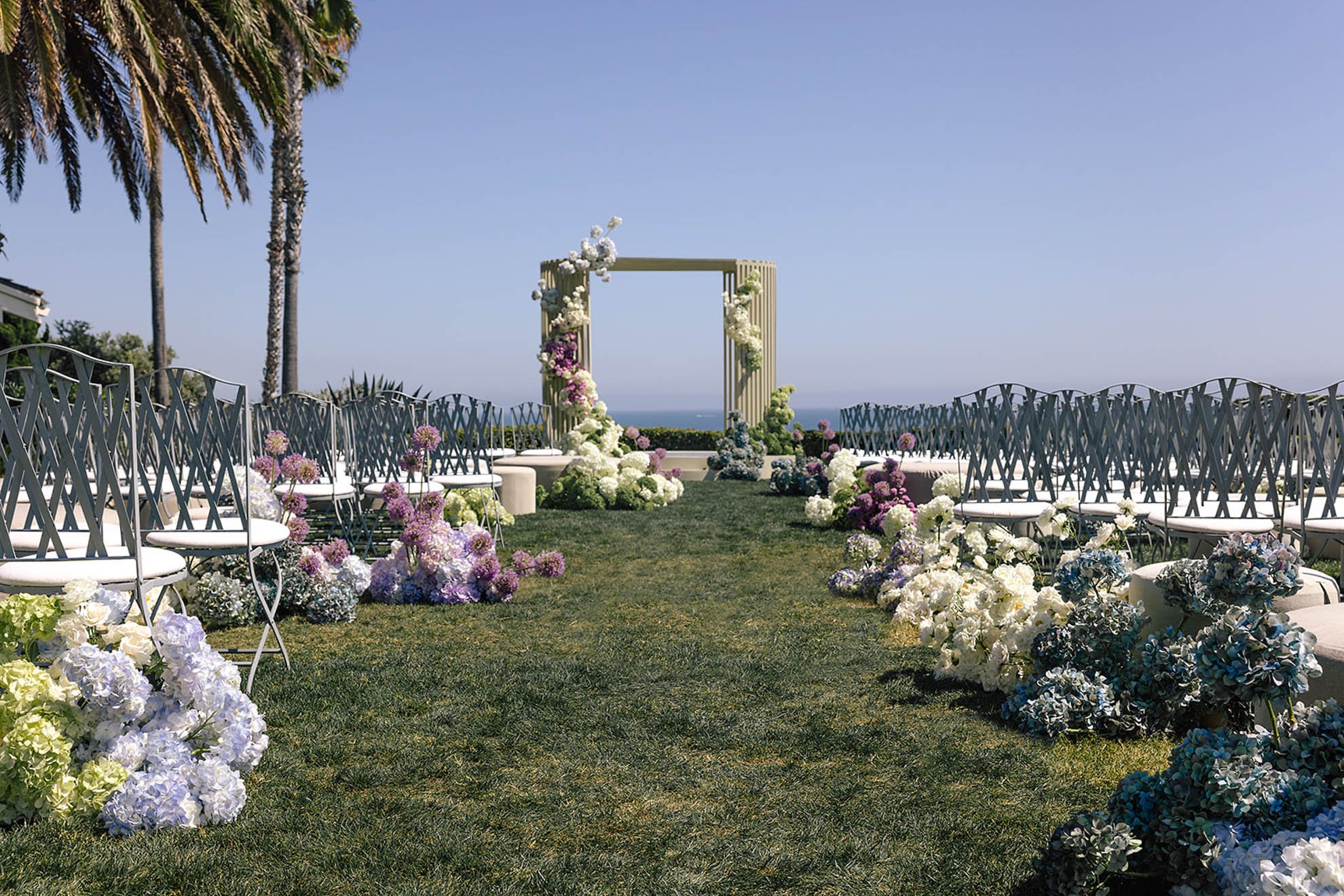
Photo By: Mashaida
Use Technology to Ask Better Questions
The answer is not to stop using Pinterest, Instagram, or AI.
Use them to explore. Notice what repeatedly attracts you. Generate possibilities that may never have occurred to you. Organize ideas and discover language for feelings that have been difficult to explain.
Used thoughtfully, these tools can also help couples ask stronger questions and avoid common wedding-planning mistakes before early assumptions become expensive decisions.
Then bring those ideas into a conversation that can account for the actual space, people, season, investment, and production conditions.
Technology can widen the imagination. Experienced judgment determines which ideas deserve to become real.
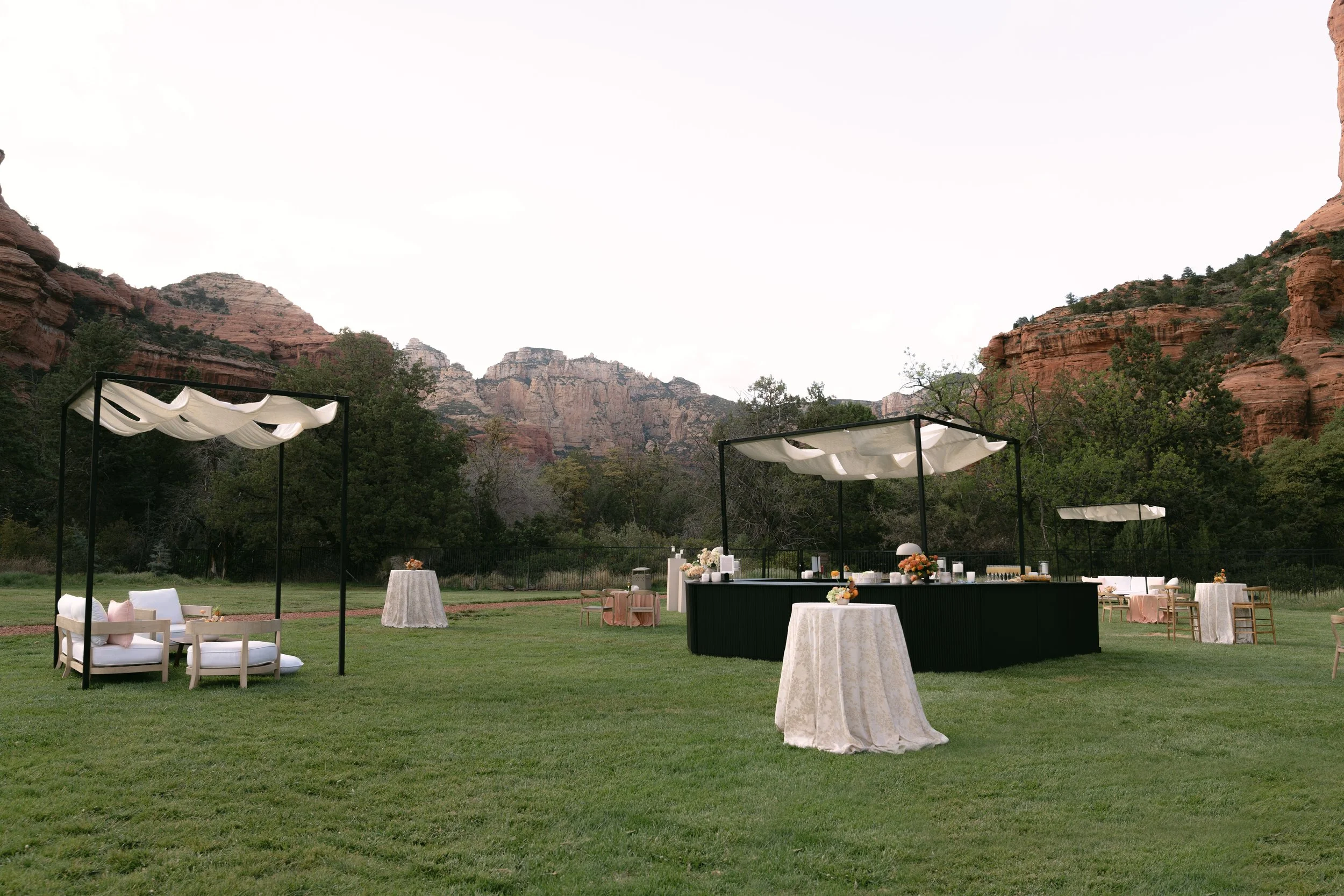
Photo By: Emily Bridgman
Frequently Asked Questions
Can AI plan a wedding?
AI can assist with brainstorming, organization, preliminary checklists, and general research. It cannot independently evaluate every venue restriction, contract, production dependency, guest need, or human relationship involved in a complex wedding.
Can AI create a realistic wedding budget?
AI may provide broad categories or starting ranges, but a realistic budget requires current proposals, location-specific pricing, venue requirements, taxes, labor, delivery, guest count, design complexity, and production assumptions.
Can AI make a wedding-day timeline?
AI can help structure a preliminary timeline. A final timeline should be developed with the venue and contracted teams to reflect actual service times, transportation, photography, setup, family needs, and overlapping contractual responsibilities.
What is the difference between wedding design and wedding production?
Wedding design defines the visual and experiential concept. Production determines how that concept will be built, powered, staffed, operated, protected through contingencies, and removed in accordance with the venue’s requirements.
Why are online wedding cost estimates often lower than real proposals?
Online estimates often price the visible category without accounting for the conditions required to produce it. Venue restrictions, market-specific labor, delivery, installation, engineering, power, insurance, private-event requirements, and compressed timelines can materially change the cost. A real proposal reflects the complete scope, not only what appears in the finished image.
The value of imagination is not only seeing what could be possible. It is knowing what it will take to make that possibility feel effortless in real life. Through full-service luxury wedding planning and design, Mandy Marie Events brings design and production into the same conversation from the beginning.
If you’re interested in working with Mandy Marie Events to plan your wedding, we suggest reaching out to our team 9-18 months in advance of your desired wedding date. Of course, we can work on tighter timelines, but when possible, we like to make sure we can reserve your date at least a year ahead. Click here to inquire about our services →