
Why We Talk About Budget Before Design
Wedding Design Budget: Why Investment and Priorities Come Before the Concept
Creativity does not become smaller when it has parameters. It becomes more intelligent.
There is a romantic idea that the most original wedding design begins without boundaries. No budget. No restrictions. Just the freedom to imagine what might be possible.
In practice, that freedom can quickly become frustrating. A concept created without a financial context may be beautiful but irrelevant. It may answer every creative request while landing at two or three times the investment a couple expected. Or it may technically fit the number they initially provided while feeling underwhelming because no one explained what a strategic increase could meaningfully change.
Neither outcome feels creative. Both feel like misalignment.
A wedding design budget does not determine how beautiful a celebration can be. It informs the priorities that will make the celebration feel complete.
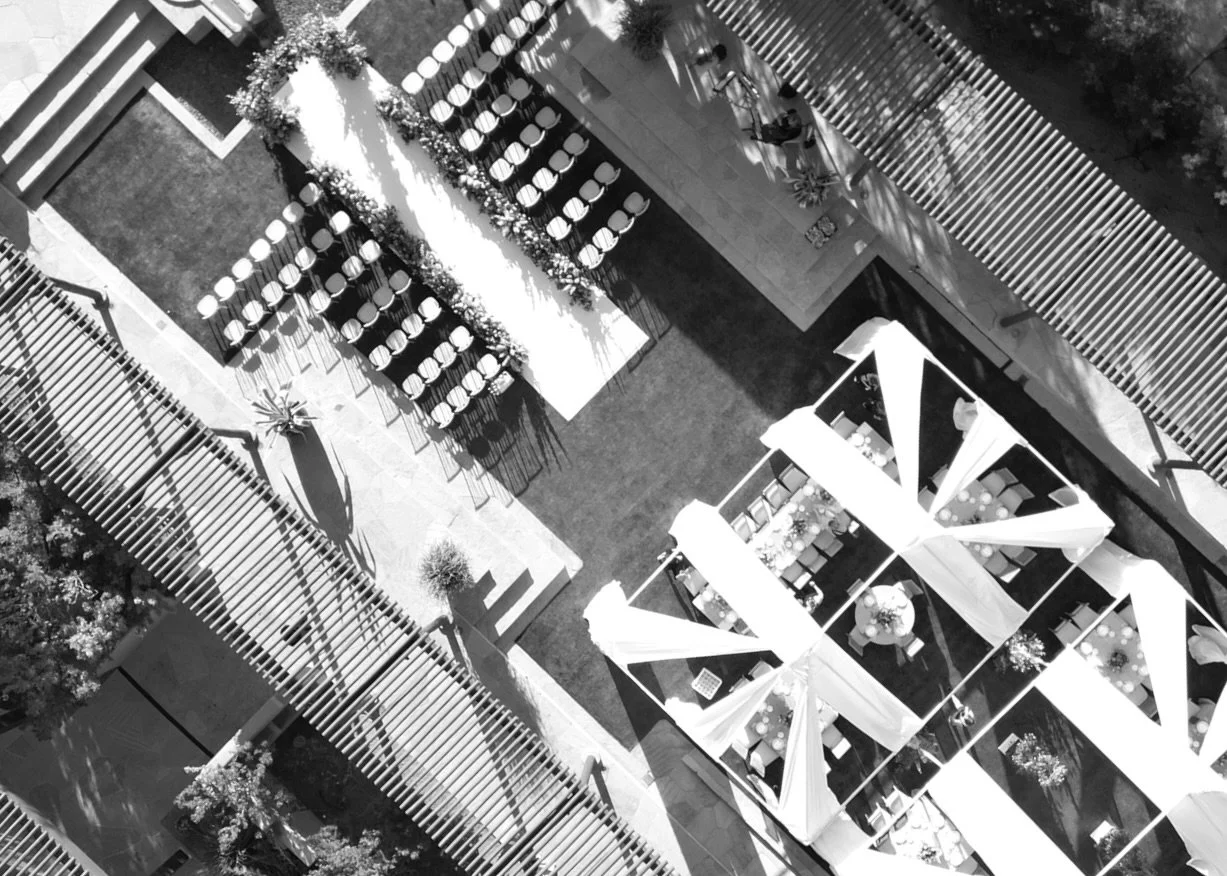
Photo By: Emily Bridgman
An Undefined Budget Does Not Create Unlimited Possibility
Every couple has a number at which the conversation changes.
We sometimes call it the fall-off-your-chair number. It exists even when a couple begins by saying they do not have a budget. They may not know the number yet. They may not have seen enough real proposals to recognize it. But eventually, a figure appears that changes their body language, their enthusiasm, or their willingness to continue exploring an idea.
Discovering that threshold is not about pushing a client toward it. It is about understanding where it is before everyone becomes attached to a concept that was never going to feel comfortable.
Without that understanding, a design presentation can become an exercise in subtraction. The couple falls in love with the complete idea, then begins removing one element at a time until the design no longer creates the feeling that made it compelling.
The more useful approach is to establish financial context early enough that creativity can develop inside reality.
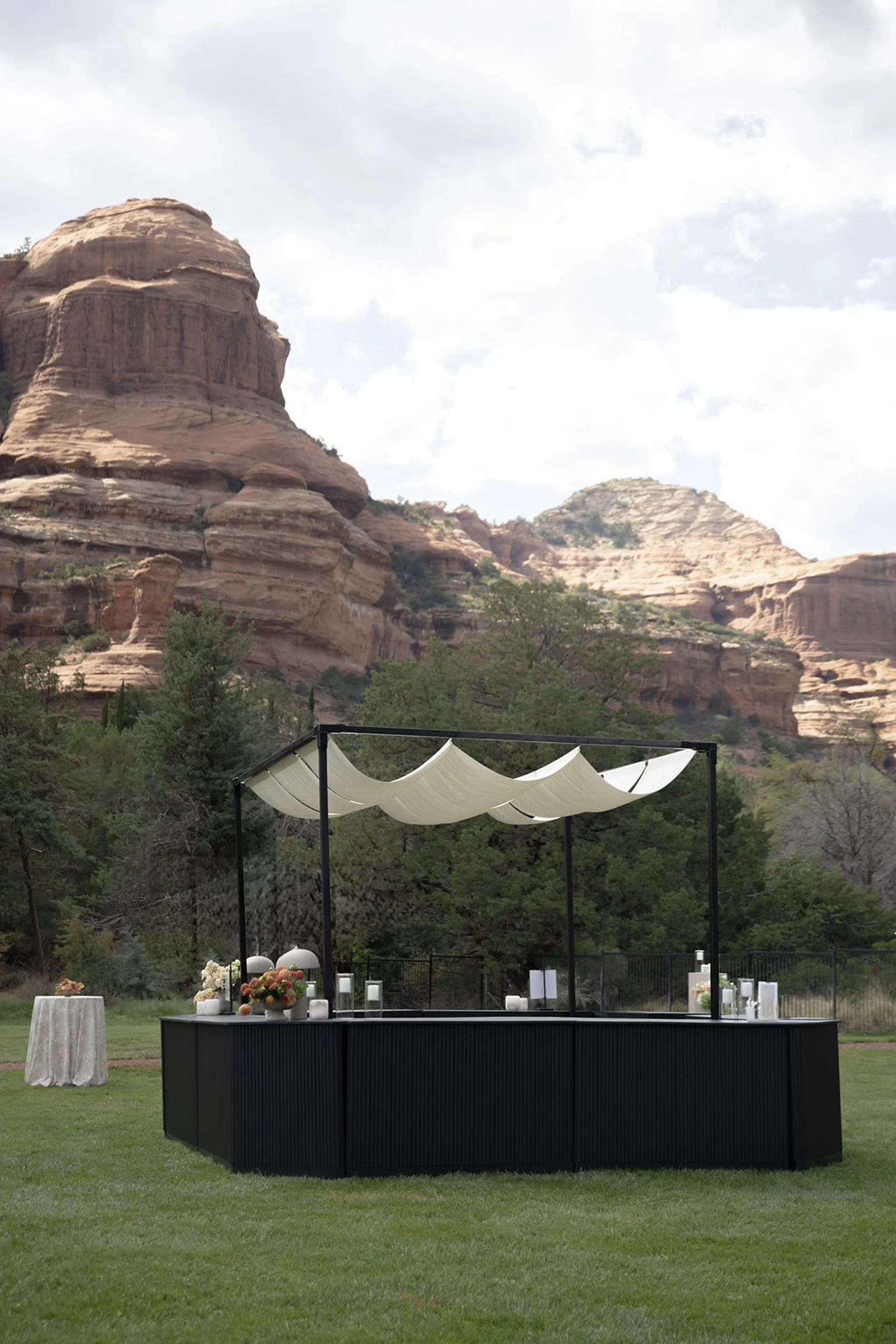
Photo By: Emily Bridgman
Parameters Create Creative Spaciousness
A clear investment range gives the design team room to think deeply rather than broadly.
Instead of considering every beautiful possibility, the team can focus on the possibilities that best serve this particular couple. How do they entertain at home? What do they want guests to remember? Where should the energy gather? Which part of the weekend deserves the strongest transformation? What will feel generous to their people, and which additions would simply create more?
Perhaps the strongest return will come from changing the room through lighting rather than adding more floral. Perhaps the venue already provides enough architectural character, allowing the investment to move toward entertainment and service. Perhaps a custom structure is essential to the concept, which means several smaller decorative moments should be released.
These are not compromises made after the design. They are the design.
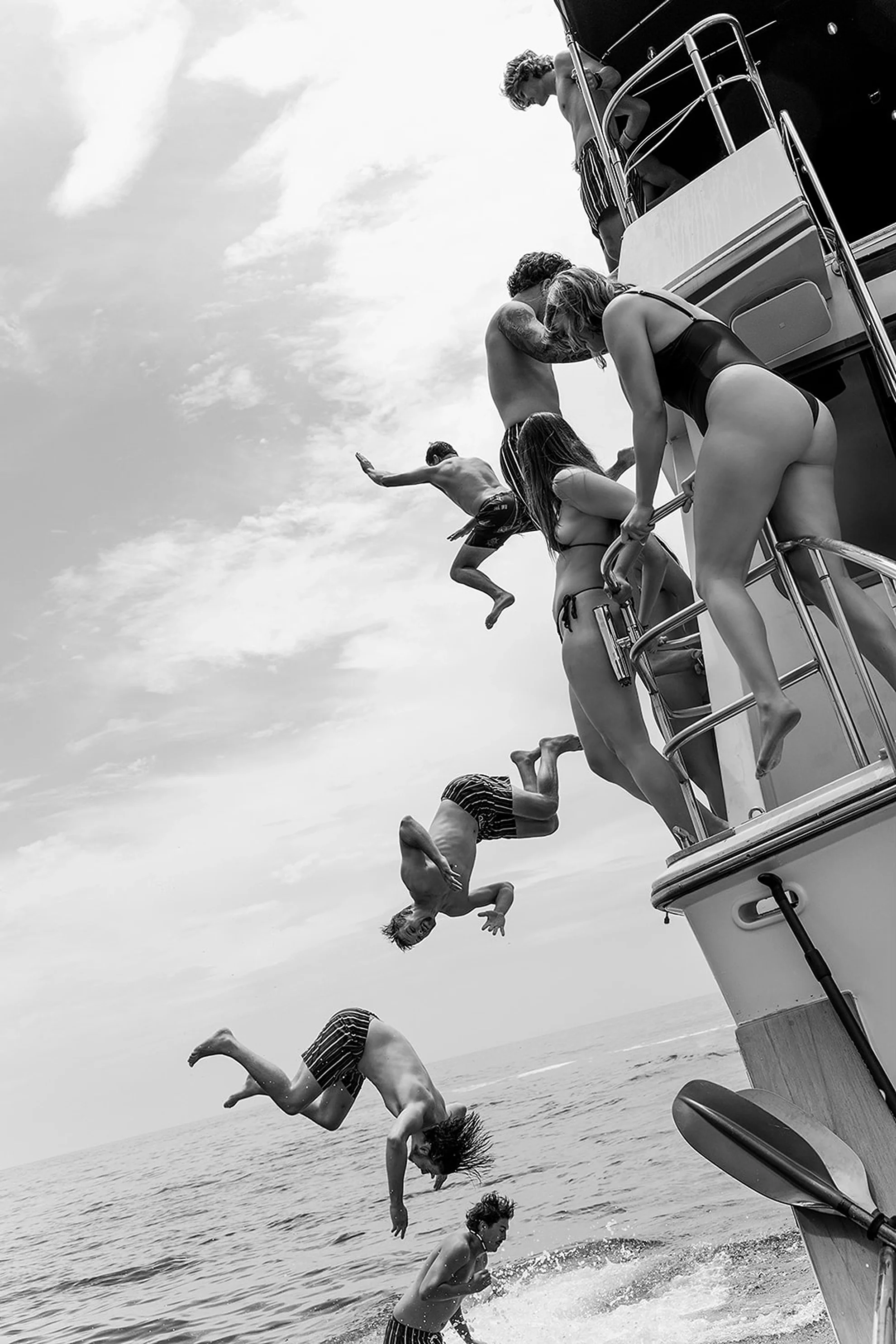
Photo By: Mashaida
The Conversation Is Really About Priorities
When couples hear the word budget, they often expect a conversation about what they cannot have. A better budget conversation is about what they want to protect.
Is the priority an extraordinary dinner? A full dance floor? A room that feels entirely transformed? A weekend that makes travel effortless for guests? A highly specific photographer? A level of service that keeps anyone from waiting for a drink, a shuttle, or a course at dinner?
Once those priorities are clear, the investment can follow them.
This also allows a planner to say two equally important things with honesty:
This is worth spending more on because the consequence of underfunding it will affect the entire experience.
This will not meaningfully change the celebration, and the money is better directed somewhere else.
Trusted guidance should lead to both answers. The objective is not to maximize spending. It is to spend impactfully.
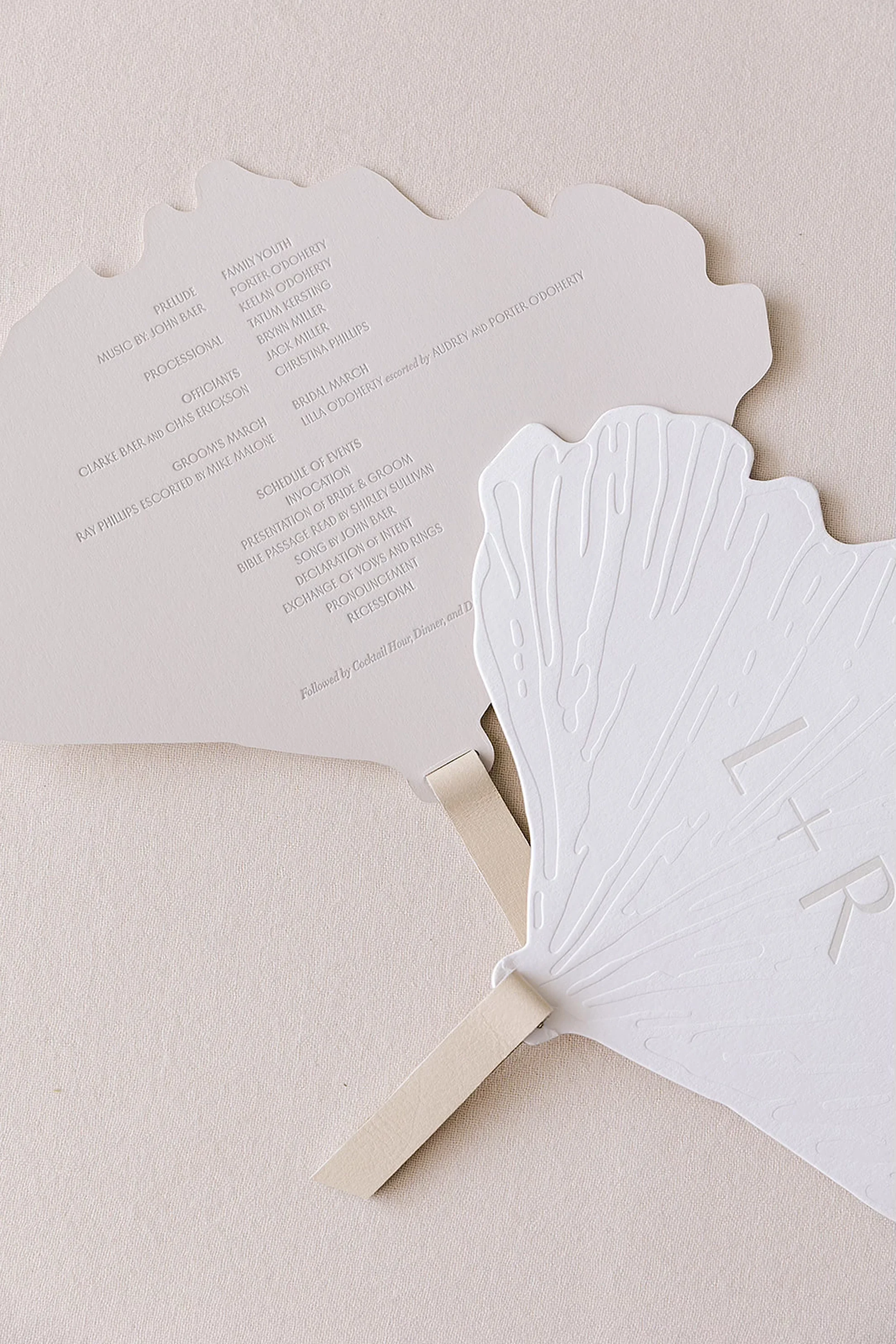
Photo By: Mashaida
Sometimes Three Scenarios Are More Useful Than One Number
We once received inspiration from a couple that was ambitious, joyful, and completely aligned with the creative direction we would have loved to explore. It was also far beyond the initial investment range they had shared.
Rather than begin designing and resolve the discrepancy later, we created three working budgets. The first reflected their original range. The second showed what a strategic increase could unlock. The third illustrated what it would take to fulfill nearly every priority within the inspiration.
The exercise gave the couple something more useful than a yes-or-no. It showed cause and effect.
They refined the guest list, clarified the menu and bar, and identified which creative priorities mattered enough to protect. We were able to curate the right team from the beginning and stay aligned throughout the process. The final wedding did not copy the inspiration or attempt to include every possible idea. It translated the essence into an experience that felt complete, personal, and intentional.
The family, who had attended celebrations at a very high level, left describing it as the nicest wedding they had ever attended.
The success was not that we tripled the budget. We did not. The success was that the couple understood their options early enough to make confident decisions.
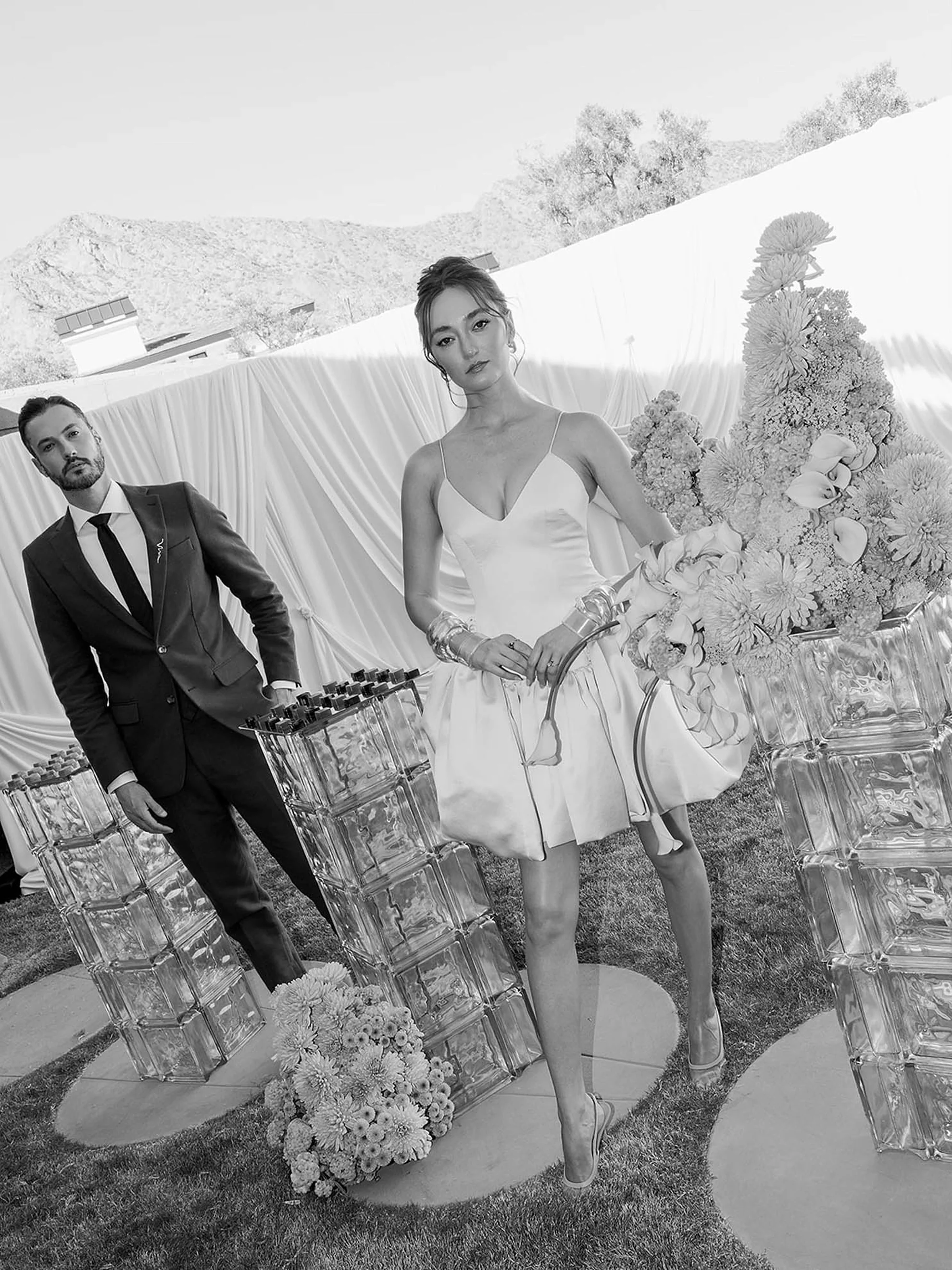
Photo By: Mashaida
Sometimes Honest Guidance Leads to Spending More
The opposite can also be true.
Another couple came to us with large-scale tenting, lighting, entertainment, and outdoor production inspiration for a venue with significant restrictions. Their original investment could not support the infrastructure required to deliver those priorities safely and beautifully.
Again, we created several scenarios. The final one reflected the actual cost of the full experience, including overnight crews, back-of-house kitchens, additional service, staggered logistics, and teams working outside guest view.
The number was substantial and initially surprising. The couple took time to consider it, then decided this was how they wanted to host their guests.
That decision was not better because they spent more. It was better because they understood what the additional investment would protect and deliberately chose it.
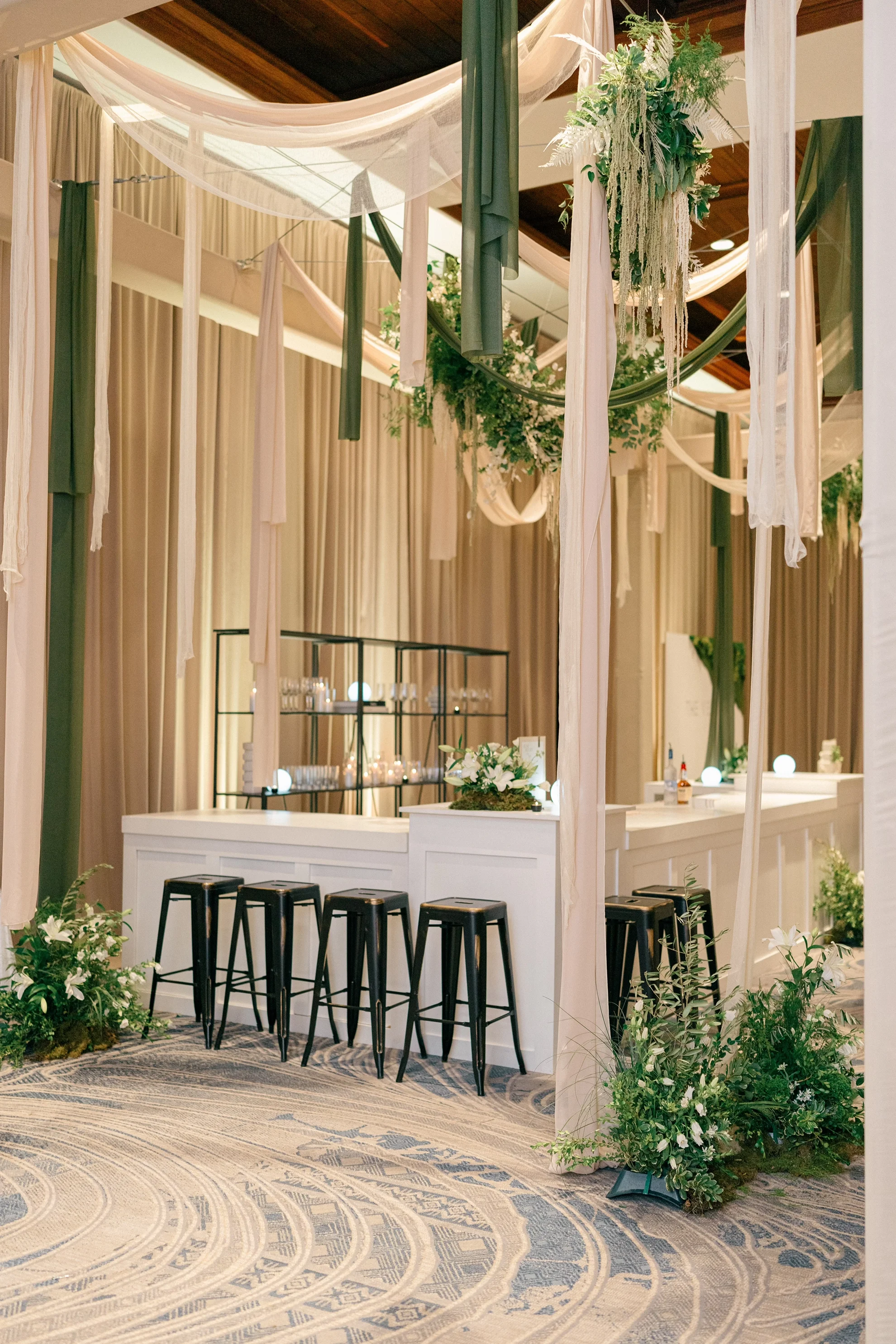
Photo By: Steph Kadlicko
Financial Alignment Protects More Than the Budget
Avoiding the investment conversation does not preserve the fun. It often delays the stress.
When expectations and finances remain misaligned, tension can surface later between the couple, their planner, their parents, or anyone contributing to the celebration. Each proposal begins to feel like a surprise. Each design revision carries more emotional weight. Trust becomes harder to build because every recommendation is filtered through uncertainty.
Addressing the conversation early protects the couple’s peace. It protects relationships at home. It protects the enjoyment of planning and the ability to feel excited when a concept is presented.
It also allows the planner to advocate properly. A recommendation to spend more carries more credibility when the same planner is equally willing to recommend restraint.
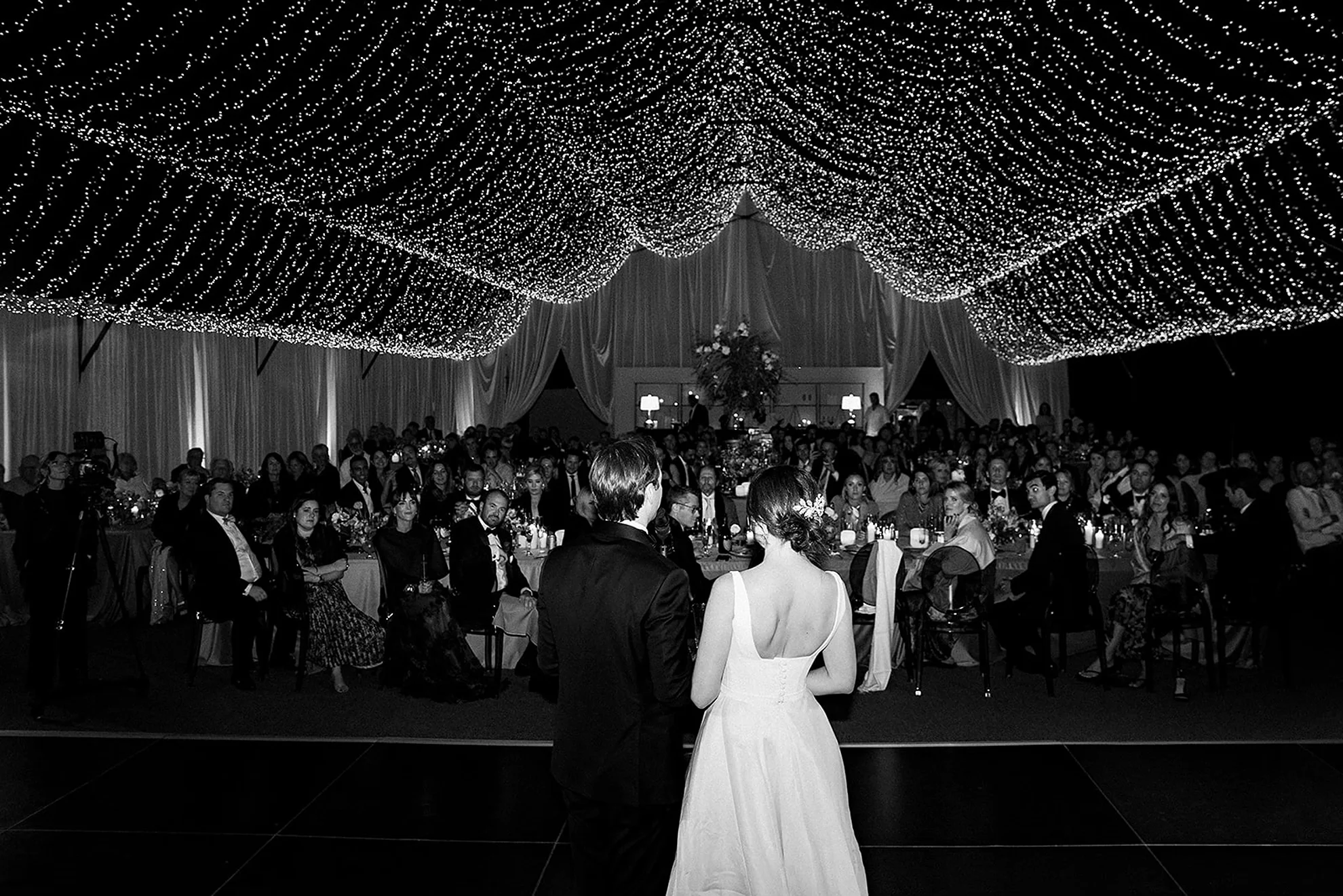
Photo by: Mashaida
A Budget Is a Creative Brief
The strongest wedding design is not the one that contains the most ideas. It is the one in which the priorities are unmistakable.
A budget gives those priorities structure. It tells the design team where there is room to expand, where the experience requires protection, and where editing will make the concept stronger.
The question is not, “How much beauty can this number buy?”
The better question is, “What matters enough to do exceptionally well?
Once that answer is clear, creativity has somewhere meaningful to go.
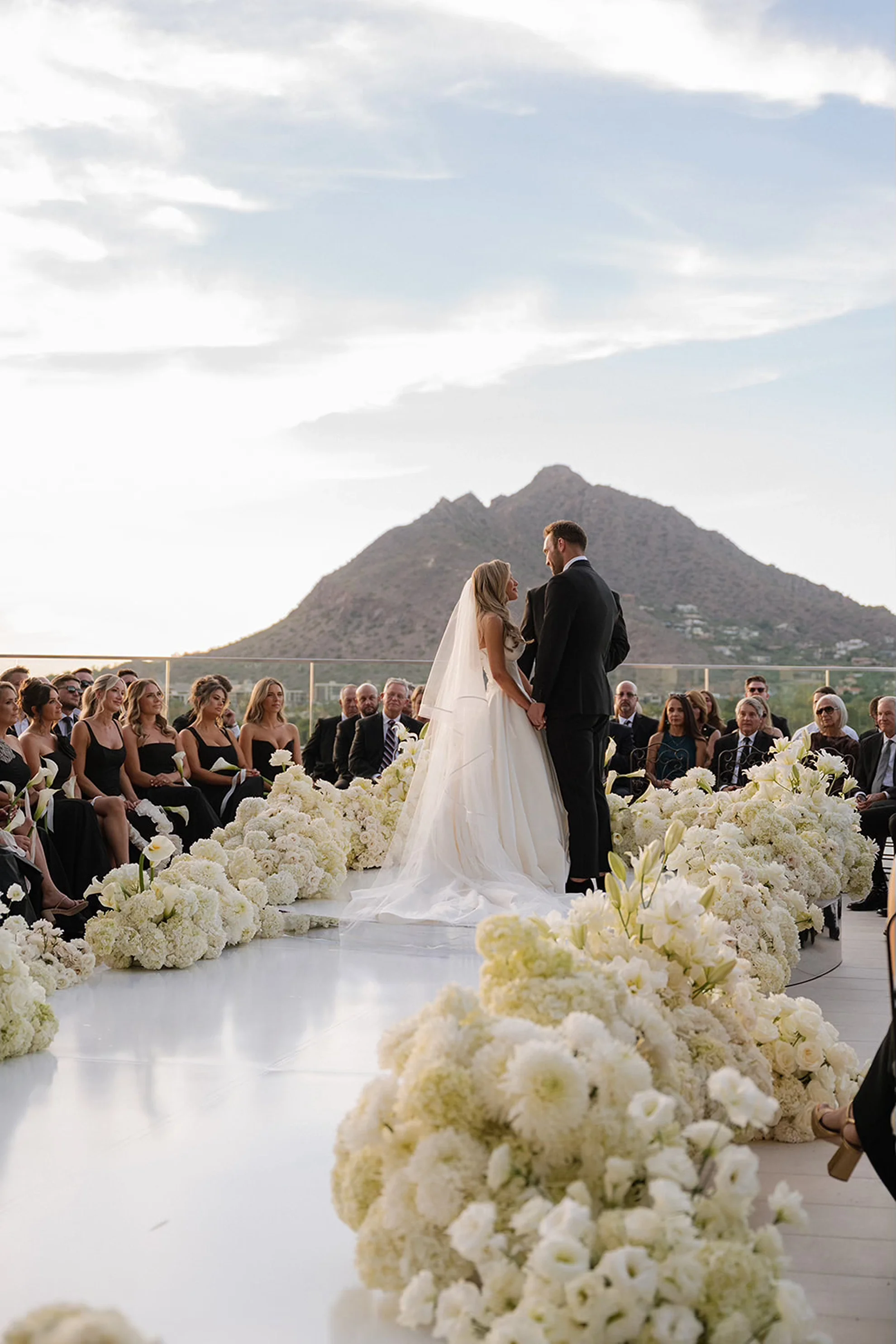
Photo By: Hayley Dolson
Frequently Asked Questions
Why does a wedding designer need to know the budget?
The budget helps the designer develop concepts that reflect the couple’s priorities and are realistic to produce. Without an investment range, the proposed design may be financially irrelevant or fail to show what different levels of investment could accomplish.
Does a wedding budget restrict creativity?
A thoughtful budget can improve creativity by providing useful parameters. It helps the team focus on original ideas that serve the couple rather than exploring possibilities that do not align with their priorities or comfort level.
How should couples prioritize a luxury wedding budget?
Begin with the experience you want to protect. Consider guest comfort, food and beverage, entertainment, atmosphere, service, photography, destination logistics, and the degree of transformation the venue requires. Priorities will differ for every couple.
Should you establish a wedding budget before choosing a venue?
Ideally, couples should understand their overall investment range and priorities before committing to a venue. A venue influences food and beverage, guest capacity, rentals, production, transportation, weather planning, and many other costs.
What if a couple says they do not have a wedding budget?
They may not have a fixed number, but it is still useful to explore realistic scenarios and identify the level at which the investment no longer feels comfortable. This prevents attachment to concepts the couple would ultimately choose not to fund.
The most productive investment conversations do not begin with restriction. They begin with trust. Mandy Marie Events helps couples understand their options, clarify their priorities, and direct their investment toward a celebration that feels complete from the first guest arrival through the final departure.