
The Gap Between Inspiration and Investment
Luxury Wedding Inspiration: What the Finished Image Does Not Show You
A beautiful image is often the least informative part of a beautiful wedding.
It can show you the finished room, but not what made it feel that way. It can capture the flowers, the light, and the first few rows of dinner, but not the days of production beneath them. It cannot tell you whether the ground was level, how the structure was powered, where dinner was prepared, or how many people worked overnight, so guests would never see the transition from installation to celebration.
This is where the gap between inspiration and investment begins. Rarely with the budget itself. More often than not, it begins with education.
The most compelling luxury wedding inspiration is designed to make the work disappear. That is part of its power. The photograph feels effortless because everything outside the frame has been considered. The challenge is that couples are then asked to make financial and creative decisions from an image that reveals the result while concealing almost everything required to produce it.
Understanding that difference does not make inspiration less exciting. It makes it more useful.
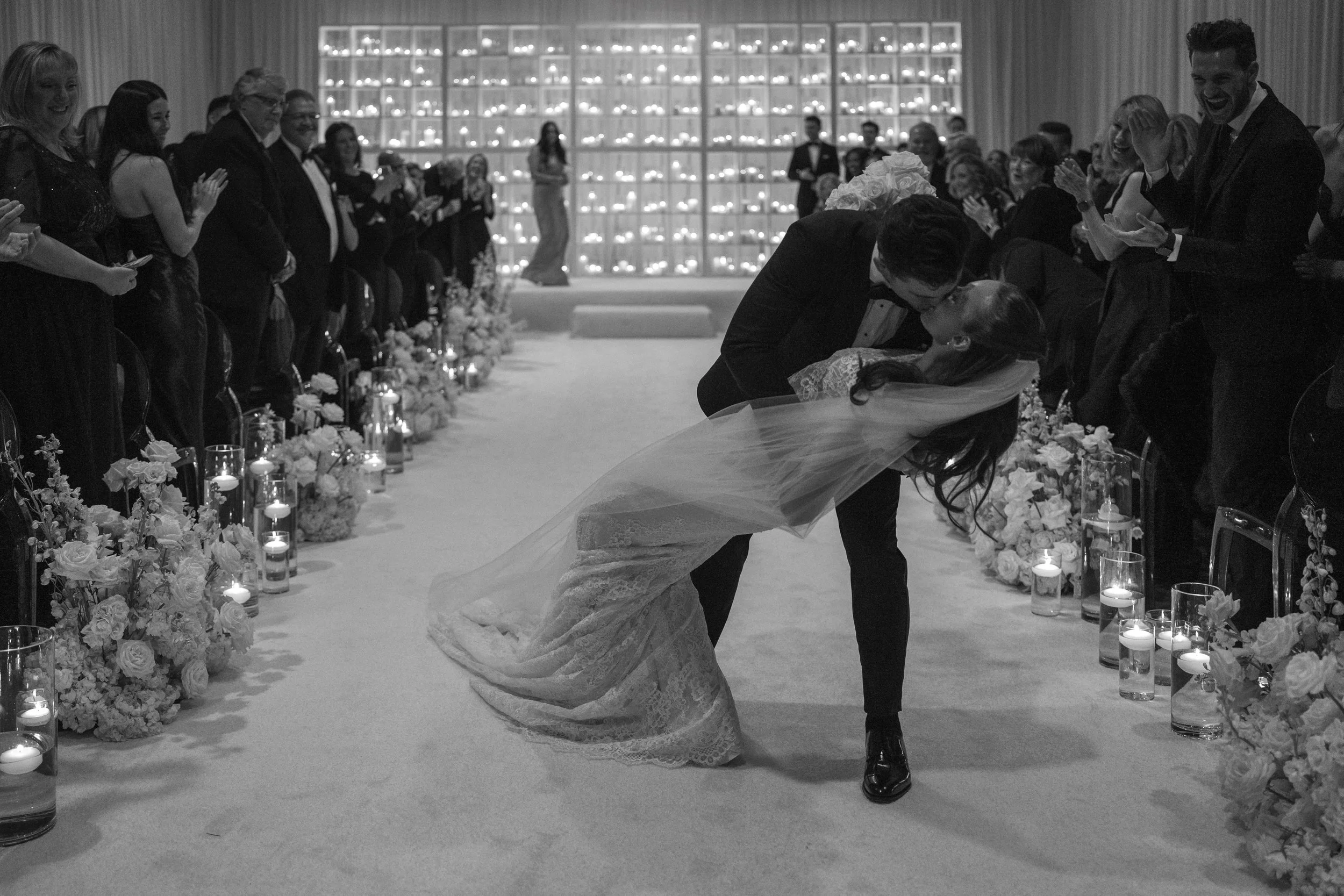
Photo By: Emily Bridgman
You Are Probably Responding to More Than the Flowers
When a couple shares an inspiration image, they may point to the floral installation, the tent, or the tablescape. Often, what they are truly responding to is less literal.
It may be the softness of the light. The visual quiet of a restrained palette. The proportion of the room. The density of the flowers. The way the ceiling changes the sense of scale. The contrast between an architectural setting and an organic arrangement. The intimacy is created by bringing a large space down around the guests.
This is why a mood board should not be read as a shopping list.
The planner-designer’s job is to identify the visual language beneath the individual objects. Is the couple drawn to restraint or abundance? Formality or irreverence? Residential warmth or architectural drama? Do the images feel highly composed, or as if the evening evolved naturally around the people in it? Are guests seated in a way that encourages conversation, or is the room built around performance and movement?
Those answers are more valuable than knowing the exact chair, flower, or linen pictured. They reveal how the couple wants the celebration to feel and how they want their guests to behave within it.
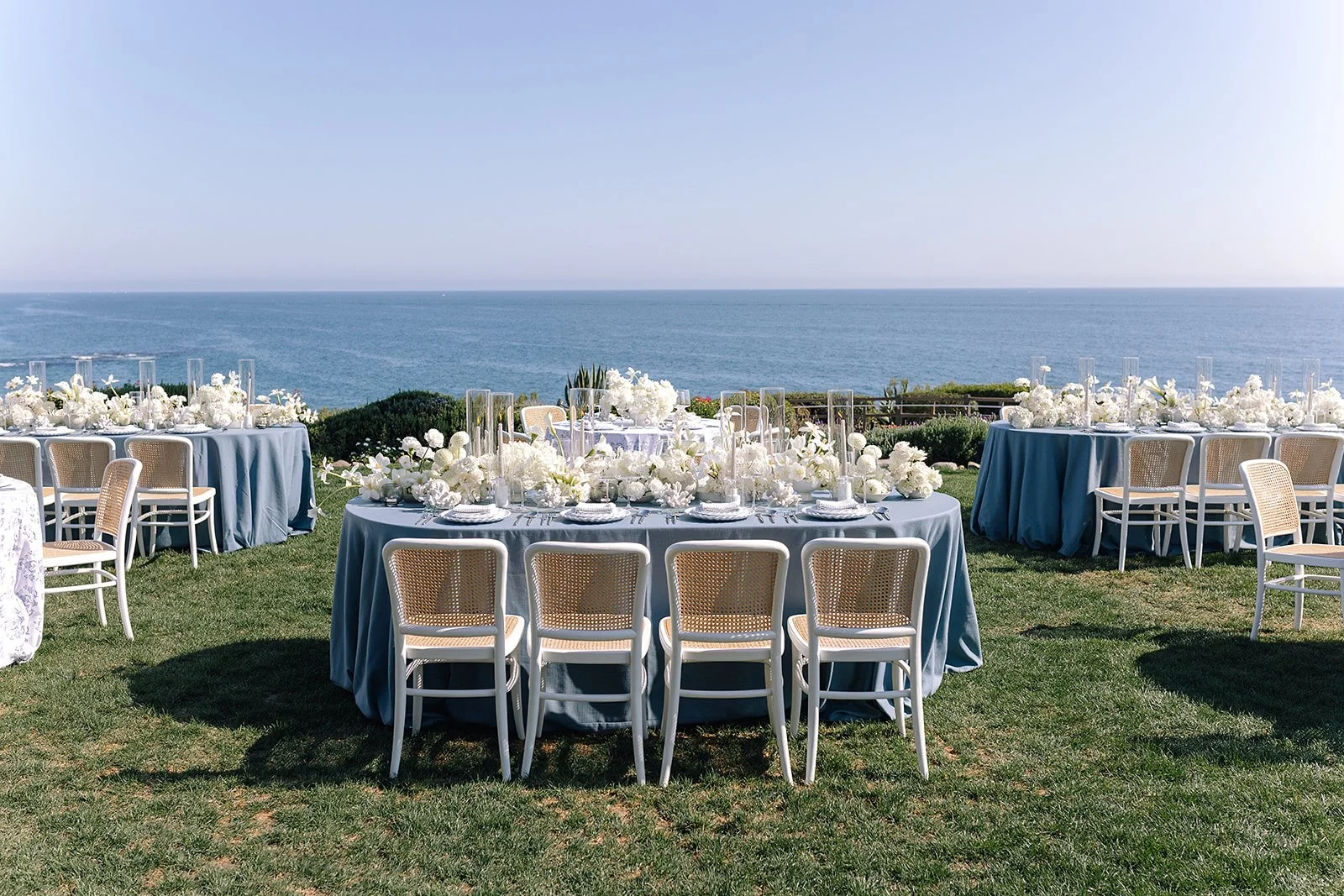
Photo By: Mashaida
The Finished Image Hides the Work That Made It Possible
In our experience producing luxury weddings across resorts, private properties, and outdoor settings, the most significant parts of an image are often the ones the photograph conceals.
A photograph may show a tent glowing against the landscape. It does not show the drainage, trussing, subflooring, vinyl, heavy machinery, surface protection, or additional power that may have been required before the first decorative element arrived.
It may show a floral installation suspended above the dinner table. It does not show the wholesale orders, flower processing, mock-ups, renderings, mechanics, engineering, or the floral team working within a narrow delivery and installation window.
It may show a full dance floor and an extraordinary band. It does not show the staging, sound, power distribution, lighting, rehearsals, green rooms, labor schedules, technicians, or the dozens of overlapping timelines that made the performance feel spontaneous.
Even the most polished online imagery rarely communicates the delivery trucks, routing, overnight crews, back-of-house buildouts, and service staffing required to support the guest-facing experience.
Recent reporting from Vogue on the real budgets of featured weddings makes this disconnect unusually visible. Couples described being surprised by lighting, tents, restrooms, sound, and other production categories they had not fully understood at the beginning. One couple did not realize lighting would become a significant line item until they saw how completely it changed the feeling of the room.
The surprise is understandable. Successful production is designed not to call attention to itself. Guests should experience warmth, ease, and momentum, not generators and service pathways. But the fact that infrastructure disappears from the celebration does not make it optional. It means it worked.
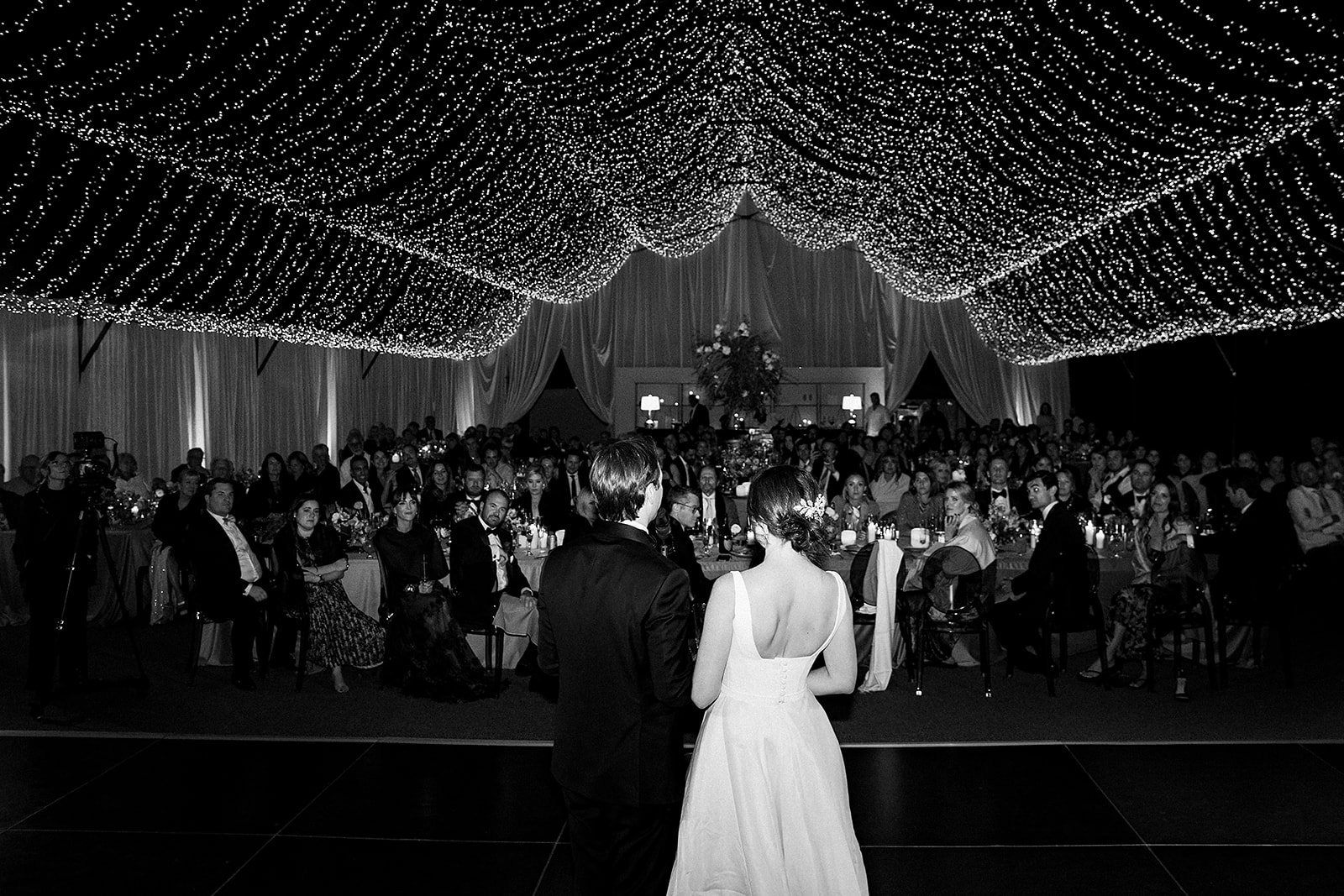
Photo By: Mashaida
Understated Does Not Mean Inexpensive
Some of the most restrained weddings are among the most exacting to produce.
Minimalism leaves nowhere to hide. With fewer elements, the quality, proportion, spacing, and finish of each one become more visible. The linen needs to fall correctly, the lighting needs to be precise, and the room needs to feel considered from every angle.
Understated luxury also requires careful integration of everything guests are not meant to see. Cords are concealed, equipment is finished to disappear into the environment, and power and audiovisual infrastructure are routed out of view. This additional fit-and-finish work is what makes a space feel resolved rather than assembled.
Guests may never identify these decisions, but they feel the difference. Part of the investment in luxury is paying for the evidence of production to disappear. Luxury, in this context, does not mean flashy. It means made well.
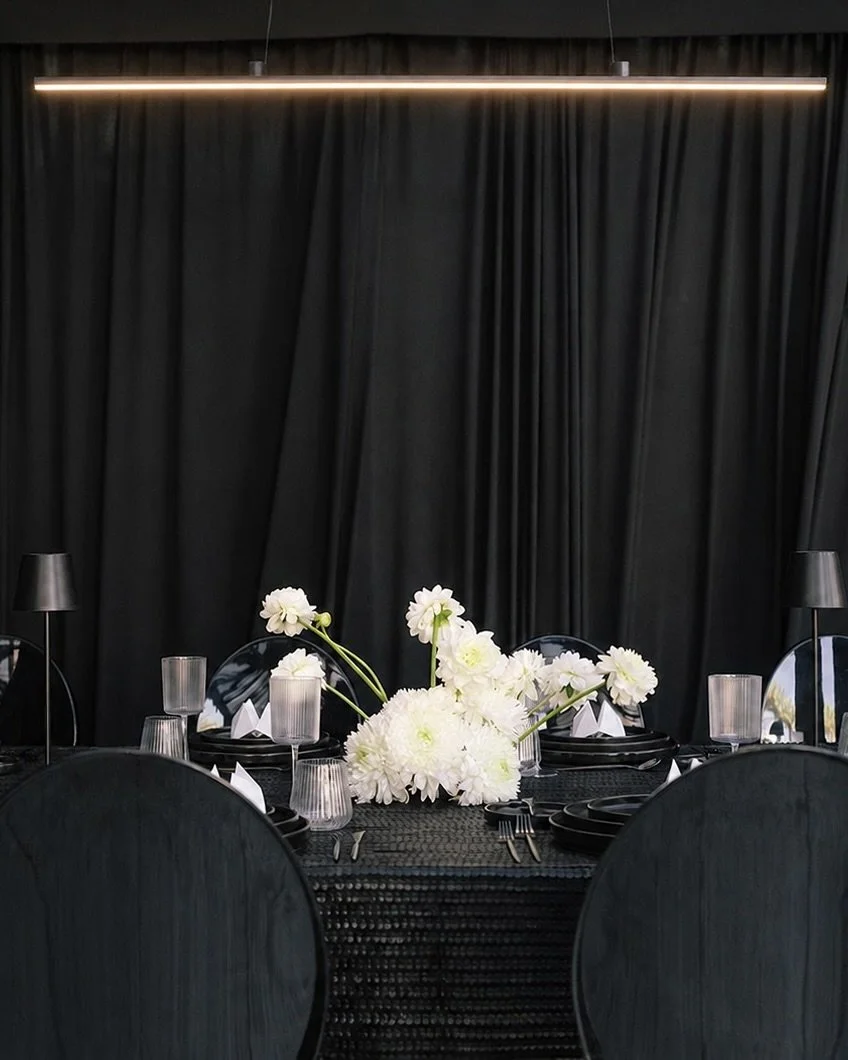
Photo By: Brenna Bowen
Inspiration Should Be Translated, Never Recreated
The goal of luxury wedding design is not to duplicate someone else’s beautiful room with a different guest list.
Inspiration is only the beginning. To become meaningful, it has to pass through the couple’s own life: how they entertain, where they travel, what they wear, how they live at home, what they value, who their people are, and what makes those people feel cared for.
It must also respond to the destination. A design has to acknowledge the surrounding architecture, landscape, climate, season, and culture. Otherwise, even an impeccably executed concept can feel imported rather than inevitable.
Translation might begin with the texture of an image, its color temperature, the way light moves through fabric, or the emotional effect of its scale. Those ideas can then be reconsidered through a different room, a different season, and an entirely different couple.
This is where originality itself comes from. Not inventing without reference, and not copying what already exists, but understanding why an idea works well enough to create a new expression of it.
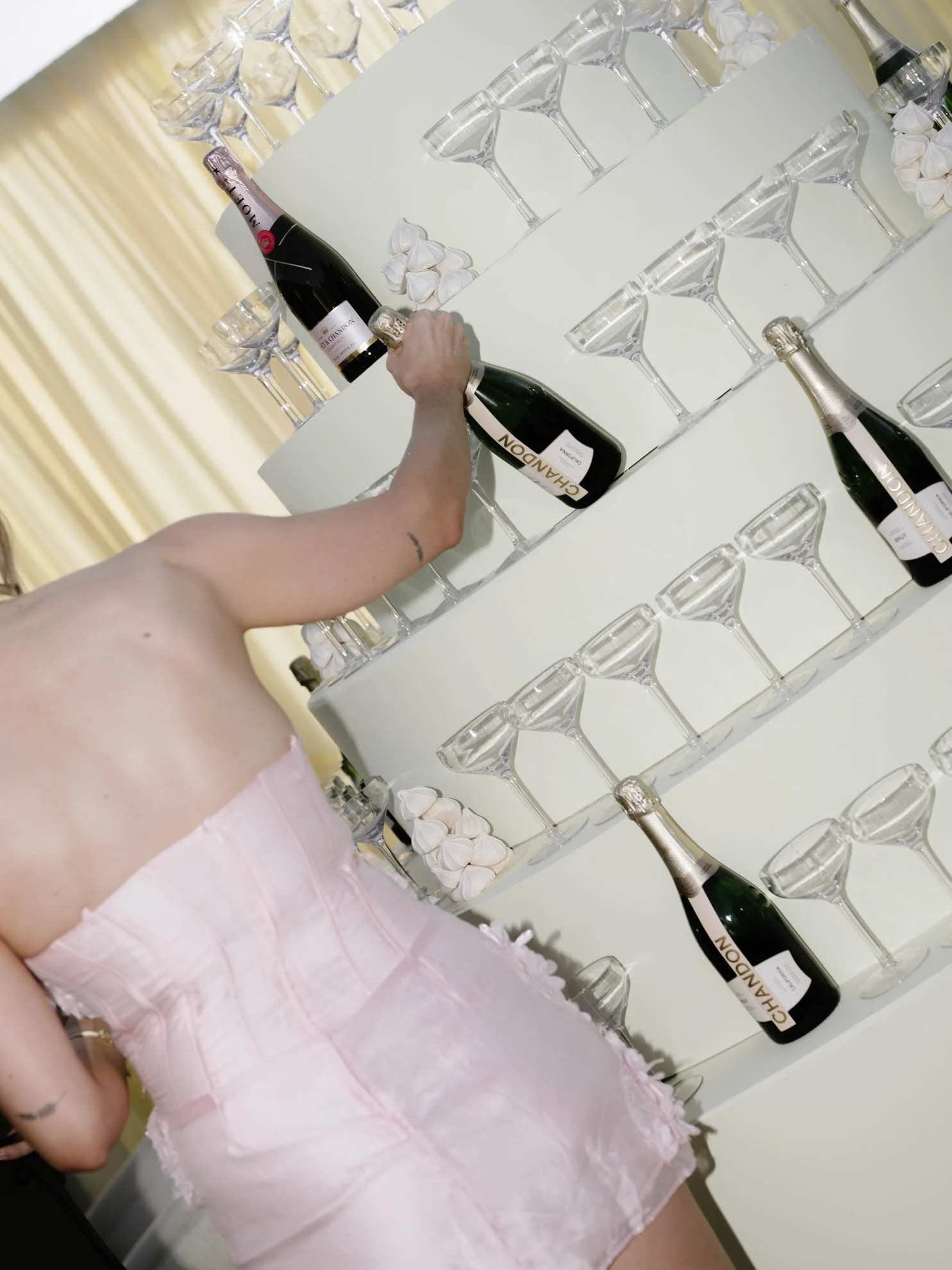
Photo By: Emily Bridgman
The Most Common Compromise Is Death by a Thousand Cuts
When inspiration and investment do not line up perfectly, the answer is not always to make every element slightly smaller, thinner, or less complete.
That approach can create a wedding filled with ideas that never reach the level required to make an impression. Half the floral impact. Half the lighting. Half the drape. A bar that almost feels considered. Entertainment that nearly creates the energy the couple wanted.
The result is not intentional restraint. It is a room where all decisions appear to have been interrupted.
A stronger approach is to identify the moments that really matter most and execute them fully. That may mean prioritizing the arrival, dinner atmosphere, and entertainment while allowing a transitional space to remain quieter. It may mean removing an installation concept altogether so the lighting, service, or stage can be done properly. It may mean allowing the venue’s architecture to do more of the visual work.
If an idea cannot be executed well, it is often better to release it and invest in something else that can be.
Guests do not experience a wedding as a checklist of everything that was included. They remember how the celebration moved, where the energy gathered, how welcome they felt, and which moments changed the room.
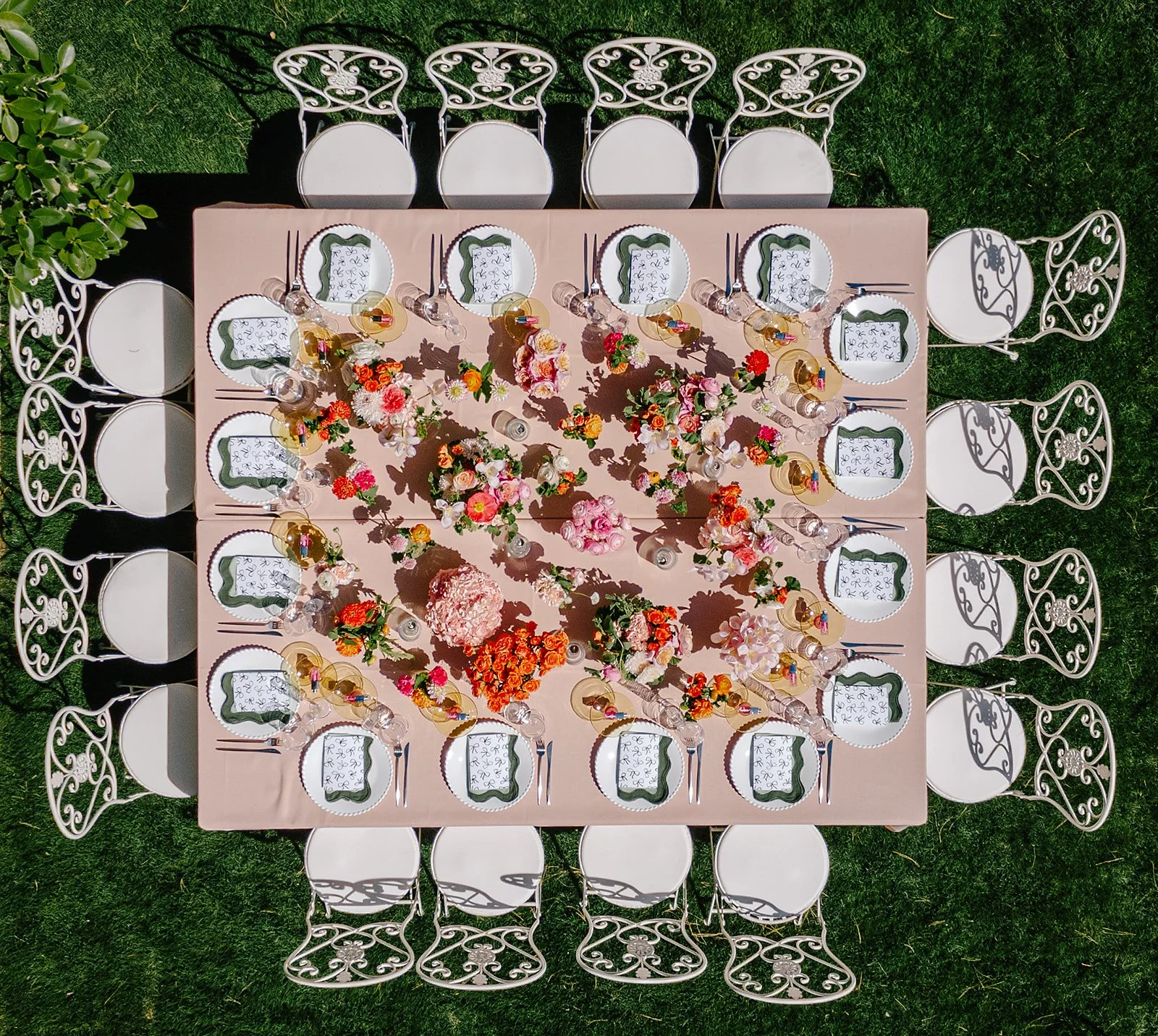
Photo By: Mashaida
The Better Question Is Not “How Do We Recreate This?”
The better question is: Why does this image work, and how should that feeling become ours?
That question opens a much more interesting conversation. It allows the design to reflect the couple rather than the algorithm that delivered the image. It makes room for the destination, the guests, the season, and the realities of production. It also allows the investment to be directed toward the elements that are actually responsible for the feeling, rather than the most obvious objects in the frame.
The strongest wedding inspiration does not give you something to copy. It gives you a clue.
The work is learning how to read it.
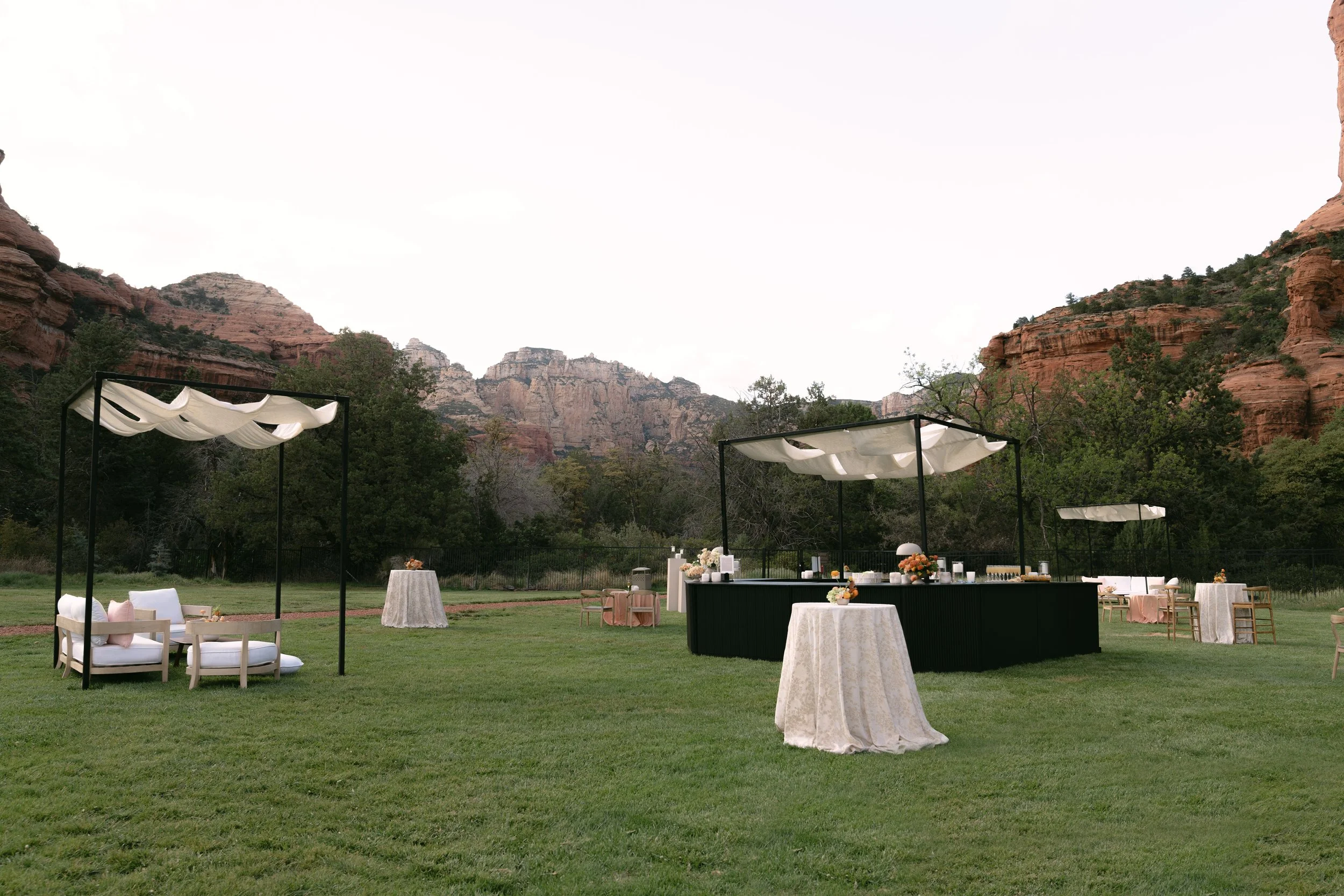
Photo By: Emily Bridgman
Frequently Asked Questions
How do you turn wedding inspiration into an original design?
Start by identifying what you are responding to beneath the individual products or details. Consider the atmosphere, lighting, scale, texture, color, formality, and way guests appear to move through the space. Those qualities can then be translated through your personalities, entertaining style, destination, season, and priorities rather than reproduced literally.
Why can minimalist wedding design be expensive?
Minimalist wedding design depends on precision, quality, and restraint. With fewer elements, the proportion, spacing, finish, and material quality of everything in the room become more visible. It can also require additional fit-and-finish work to conceal cords, lighting equipment, power sources, audiovisual infrastructure, and other production necessities. Guests may never notice those individual details, but they feel the difference when the room appears seamless rather than assembled. In understated luxury, part of the investment is often in making the work disappear.
How should couples use a wedding mood board?
A wedding mood board should communicate feeling and direction rather than function as a list of items to purchase. Look for patterns throughout the imagery, including repeated textures, color temperatures, lighting styles, architectural qualities, and levels of visual density.
How can couples use Pinterest without copying another wedding?
Use Pinterest to identify what consistently attracts you, then ask why. A planner-designer can help separate the emotional and visual qualities from the literal elements and reinterpret them through your own story, guests, and setting.
What should be included in a wedding design budget?
A wedding design budget may go beyond visible floral and rentals to include lighting, flooring, draping, fabrication, staging, structures, delivery, installation, labor, power, and other production requirements. The exact mix depends on the venue, guest count, design, and installation conditions.
The most original celebrations are not built by collecting more inspiration. They begin by grasping what the inspiration is trying to tell you. Mandy Marie Events helps couples translate that point of view into a complete, highly personal wedding experience shaped around their guests, destination, and priorities.